Mara River Crossing: What to Expect (Real Safari Insights).

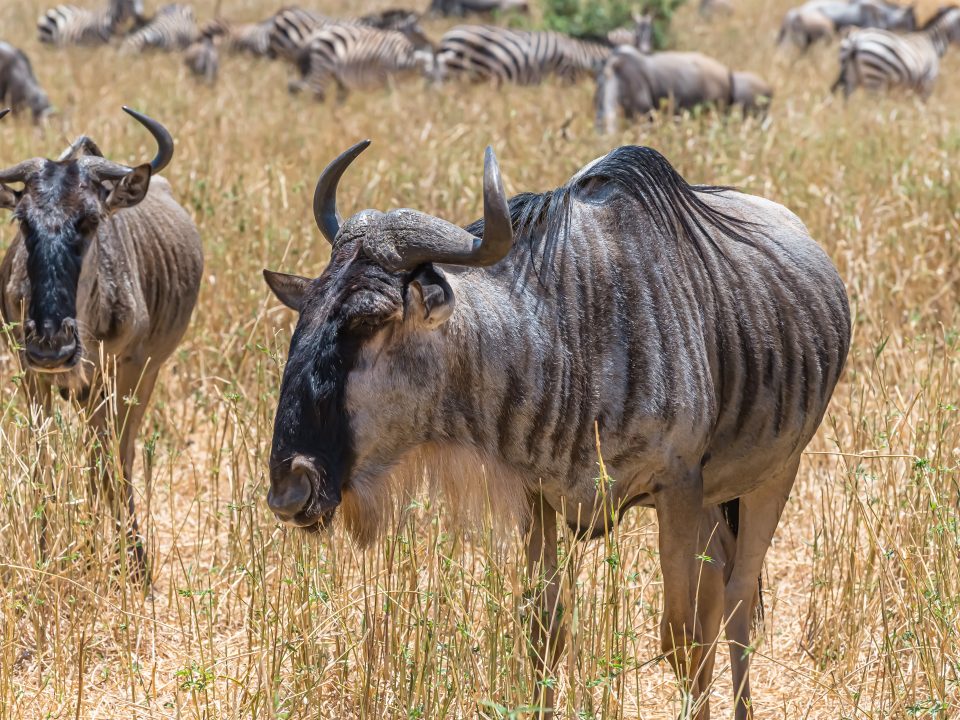
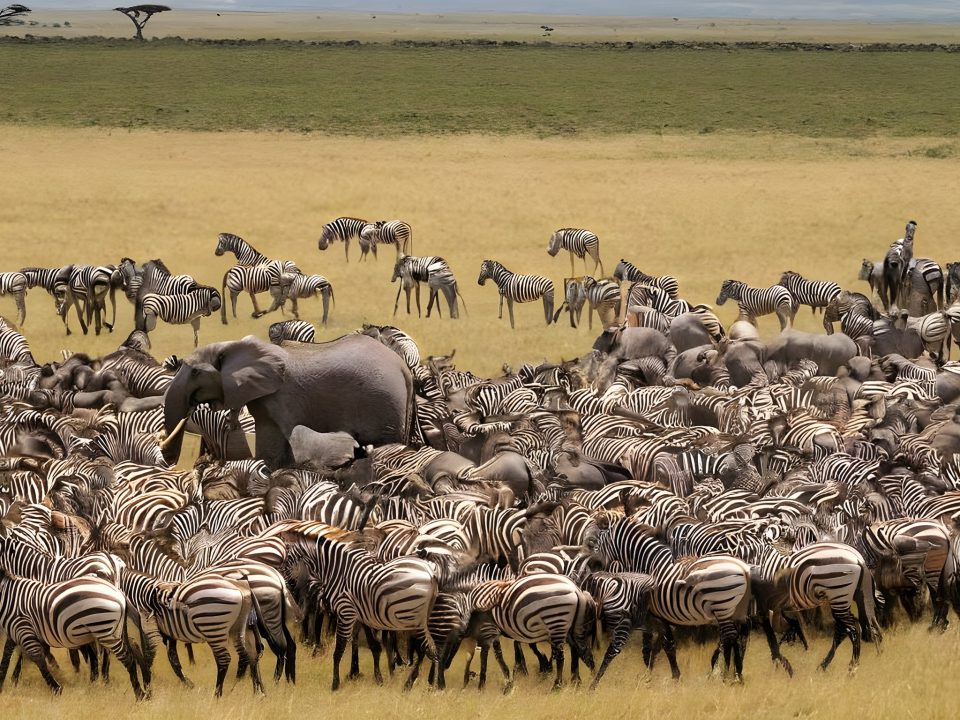
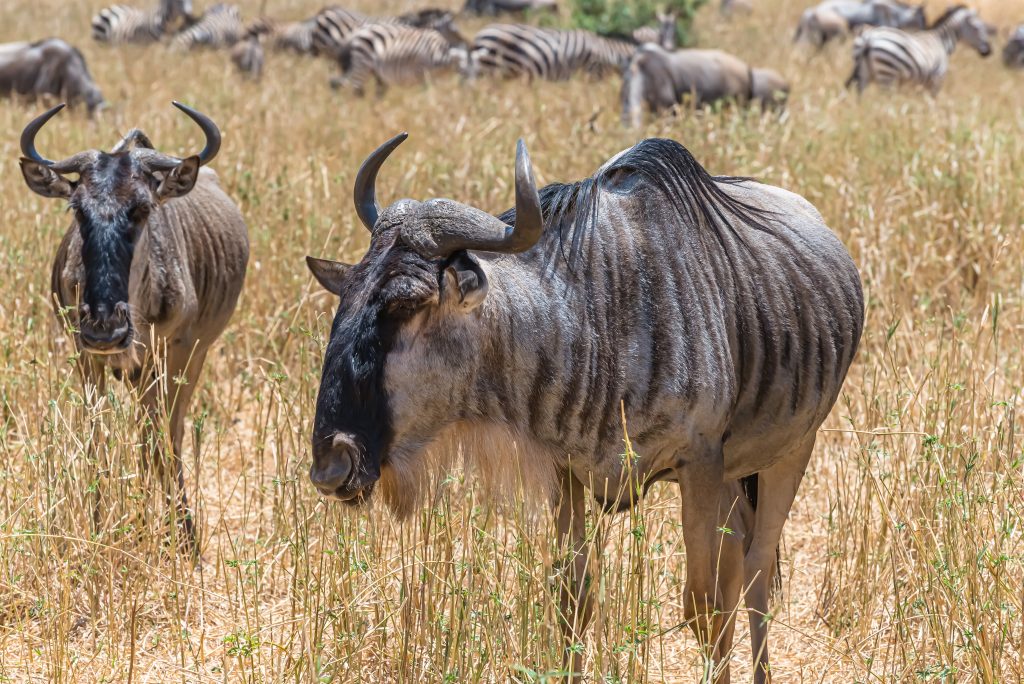
Great Migration is one of the most impressive natural spectacles to ever exist on earth. This is where about 1.5 million wildebeests join hundreds of thousands of zebras and gazelles in moving along an endless circuit between Serengeti National Park in Tanzania and Masai Mara National Reserve. However, there is one aspect of this awe-inspiring experience that truly overshadows all other aspects that is the River crossing. This is when the Great Migration becomes more than just an impressive phenomenon in the distance but rather turns into a real battle for survival.
If you are planning a safari around this event, you need to know what you are actually getting into. This is not a scheduled show. It is unpredictable, intense, and sometimes frustrating. But when it happens, there is nothing else like it on Earth.
Best Time to Witness the Drama.
The Mara River crossings do not happen all year. They are squeezed into a specific window when the herds leave the parched plains of Tanzania’s Serengeti and pour into Kenya’s Maasai Mara searching for fresh grass.
The peak season for the crossings runs from July through October, with the absolute zenith occurring between mid-July and mid-August. During these months, the riverbanks can swell with tens of thousands of animals. By September, the crossings are still happening, but the herds are smaller and the crowds of vehicles tend to thin out slightly, offering a less congested experience.
Waiting Game: Patience is Not Optional.
No one tells you about the silence. You might arrive at the riverbank at dawn, joining a line of safari vehicles pointed toward the water. The wildebeest are there, thousands of them, shoulder to shoulder on the opposite bank. They press forward. They surge back. They stand still for hours. The tension is thick enough to taste.
A herd can wait at a crossing point for twenty minutes or six hours. There is no schedule, no prediction. The decision to cross is made by the collective, triggered by a mix of population pressure, predator movement, and individual animal psychology that scientists still do not fully understand. Your guide will cut the engine. No one speaks. You watch. You wait. You hope.
This waiting is not a waste of time. You are witnessing a two-million-year-old evolutionary ritual unfolding in real time. The agitation of the herd, the false starts, the retreats. it is all part of the experience.
The Chaos: What Happens in the Water.
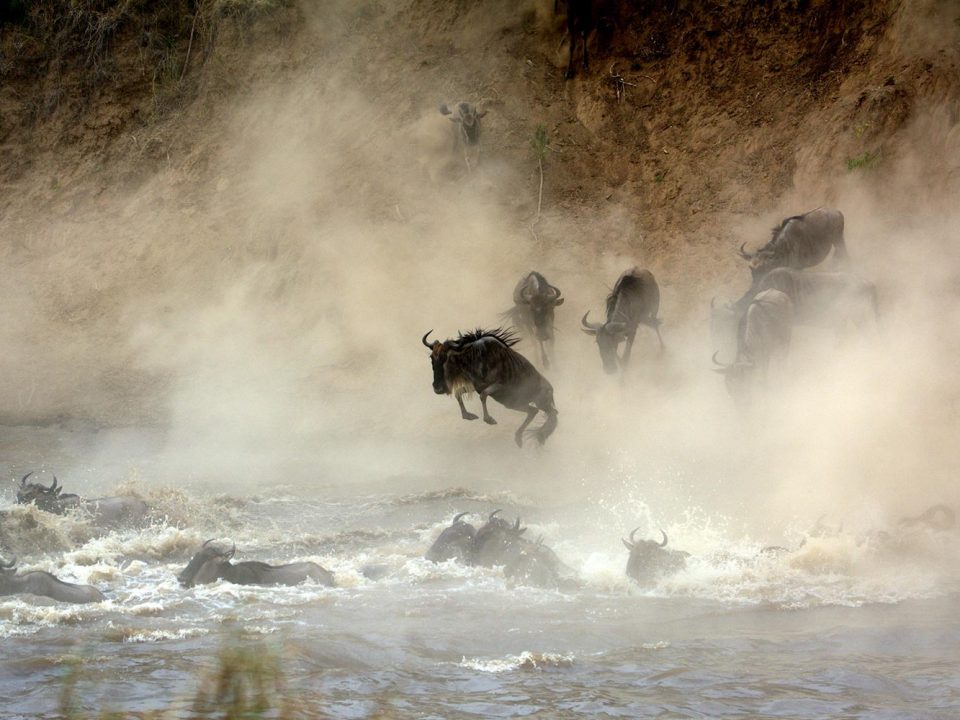
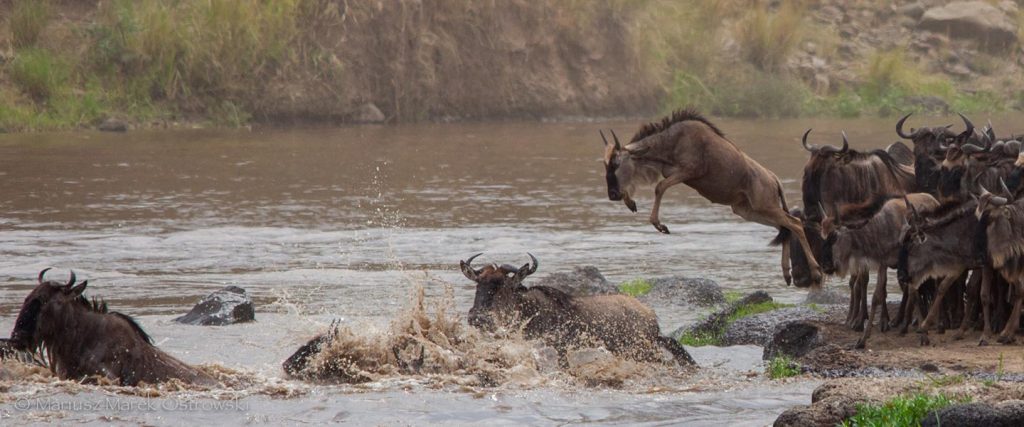
It starts with a sound. A low rumble of hooves. A deep, constant alarm call. Then, one animal, driven by instinct or madness, steps over the edge. And in that instant, the entire bank becomes an avalanche of muscle and noise.
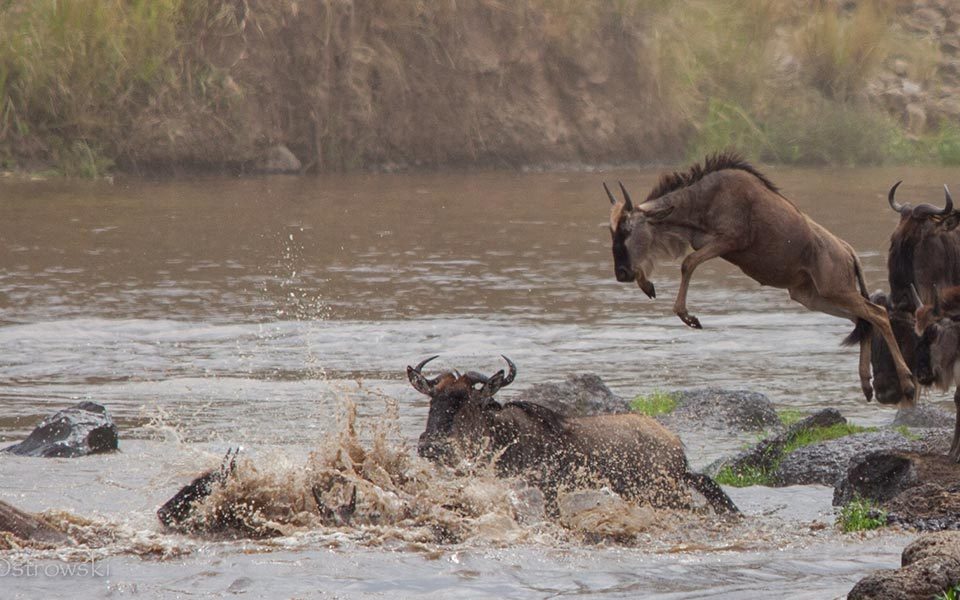
The plunge is steep, sometimes a vertical drop into muddy, fast-moving water. The crocodiles, ancient and impossibly large, materialize from the depths. They have been waiting, motionless, for hours. The moment the first animal hits the water, they accelerate.
The chaos is total. Hooves thrash. Spray flies. Crocodiles roll. The wildebeest scramble up the far bank, some sliding back down, others dragged under. Lions may appear on the far side, picking off the exhausted survivors as they emerge. The dust rises thirty meters into the air.
And then, just as suddenly as it started, it stops. The survivors walk north toward fresh grass, leaving the dead behind. The river settles. The crocodiles sink back into the darkness. Your guide starts the engine. You realize you haven’t taken a proper breath in minutes. The whole crossing can last four minutes. It can last four hours. Every single crossing is unique.
The Crowds: The Reality of Peak Season.
Here is the honest truth that the glossy brochures often hide. You will not be alone. During peak season, the best crossing points can resemble a traffic jam rather than a wilderness. Vehicles line the riverbanks, sometimes 40 to 60 deep, jostling for position.
In the year 2025, the overcrowding had become so severe that there was a video showing more than 150 vehicles obstructing the way of the wildebeests to the crossing point of the river. This is indeed a problem. It interferes with the migration, affects the animals, and spoils the whole event.
However, you are not powerless against the crowds. Experienced guides know which crossing points are active and which are overrun. Some of the most dramatic action happens at points only accessible from the Mara Triangle or from private conservancies like Olare Motorogi and Mara North, where vehicle numbers are strictly limited.
Tips for Securing the Perfect View.
Securing a front-row seat requires strategy. First, trust your guide. They communicate via radio with a network of scouts to track where the herds are massing. Second, position yourself early. Arriving at a crossing point by 6:30 AM gives you the best chance at a good spot and the best light for photography.
Third, be patient. The travelers who see the best crossings are not the luckiest; they are the most patient. Bring snacks, water, and a second camera battery. Be prepared to sit for hours. Fourth, consider a private vehicle. Flexibility to wait at the river without pressure is the single biggest advantage you can have.
Finally, remember where you are. Do not stand up in the vehicle. Do not shout. Do not harass the animals for a better photo. The wildebeest have the right of way. You are a guest in their world.
Witnessing a Mara River crossing is not just a bucket list item. It is a confrontation with nature in its rawest, most unfiltered state. It is life and death playing out in four minutes of chaos. It is frustrating. It is crowded. It is expensive. And for those who see it, it is absolutely unforgettable. For more information that you would wish to know more about the Mara River crossing during the annual Great Migration, do not hesitate to contact us or make a safari inquiry at Adyeri Travel Limited and you will not regret.