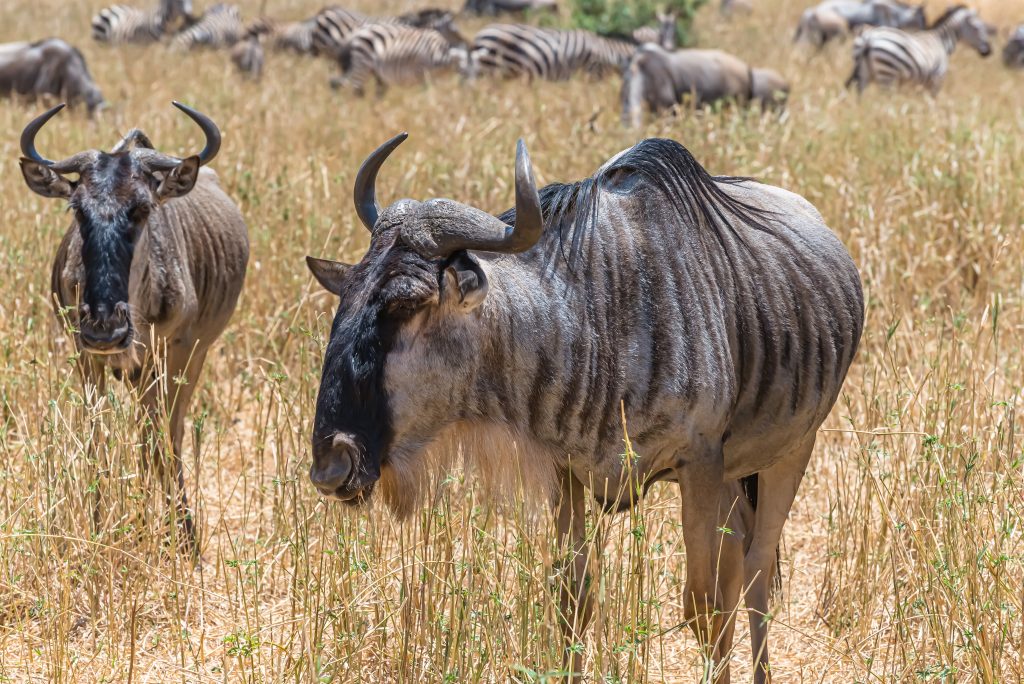
Top 5 Places in the Masai Mara to Witness the Great Migration River Crossings.
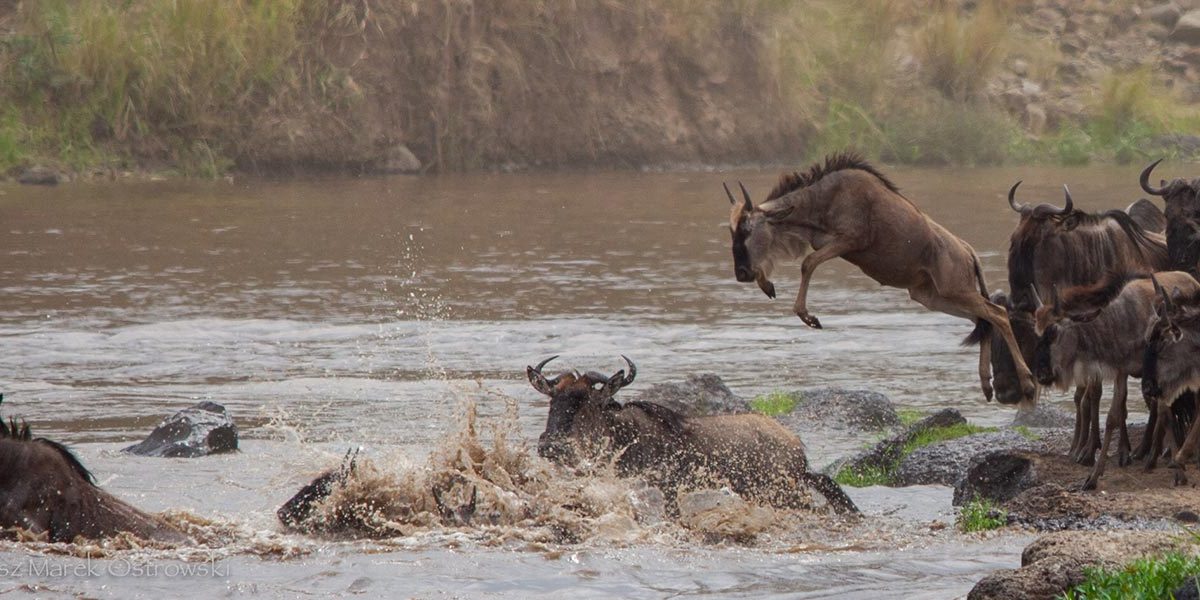
Every crossing is different. Every location tells a different story. But knowing where to position yourself and why is the difference between witnessing one of nature’s greatest spectacles and spending a long afternoon staring at an empty riverbank. Mara River stretches approximately 395 kilometers from its source in the Mau Escarpment through the heart of the Masai Mara National Reserve and into Tanzania’s Serengeti ecosystem. Along this length, the river offers dozens of potential crossing points but only a handful of them deliver the kind of concentrated, dramatic, and photogenic crossing experience that travelers journey from every corner of the world to witness.
The difference between a productive crossing location and an unproductive one comes down to several factors the depth and width of the river at that point, the gradient of the banks on either side, the proximity of vegetation that gives animals cover as they approach, the angle of the sun at different times of day, and the historical patterns of use by the wildebeest herds themselves. Understanding these factors is what separates the most experienced guides from the merely competent ones and understanding them yourself will help you ask the right questions and be in the right place when the crossing begins.
1. Crossing Point; The Main Mara River Crossing (Purungat Bridge Area).
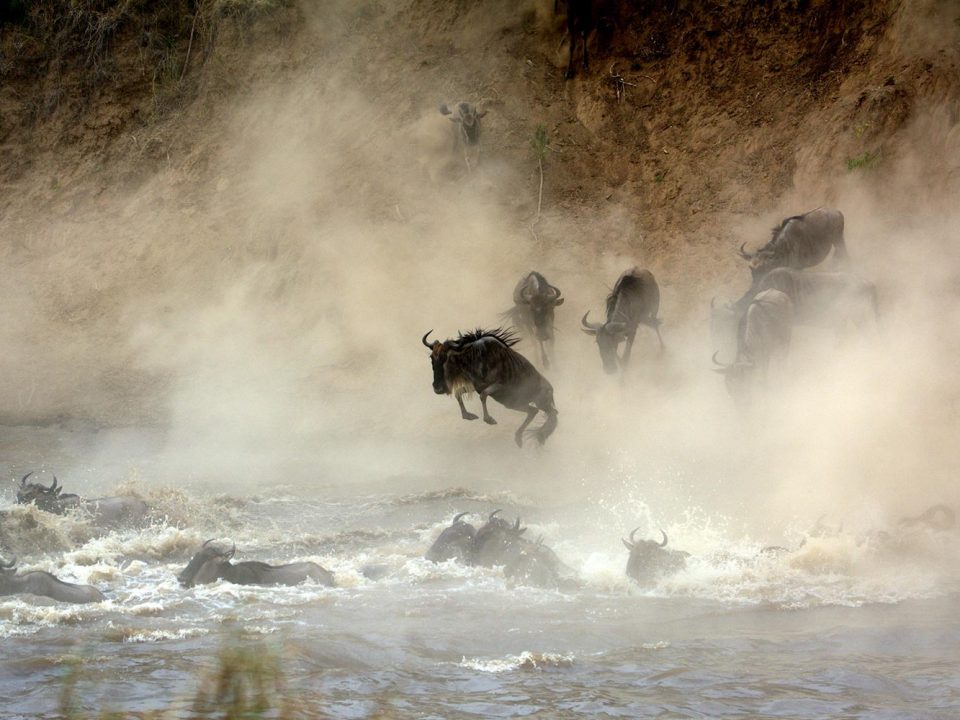
The most celebrated and most consistently productive crossing site in the entire Masai Mara ecosystem is the stretch of the Mara River near the Purungat Bridge area in the central section of the reserve. This is the location that appears in the most iconic migration photographs a wide, relatively shallow stretch of river with gently sloping banks on the Tanzanian side and a steeper Kenyan bank, creating the dramatic visual of thousands of wildebeest plunging downward into the churning water below.
This crossing point is favored by guides for several reasons beyond its visual drama. The approach terrain on the southern bank allows large herds to gather and build the critical mass of animals necessary to trigger a crossing. The river here is wide enough to create the sustained spectacle of thousands of animals in the water simultaneously, yet shallow enough that the crossing, while dramatic and genuinely dangerous for the animals, is not so perilous that sightings of successful crossings are rare.
The concentration of crocodiles at this point is among the highest in the river which adds a dimension of genuine tension to every crossing that no amount of wildlife documentary viewing can fully prepare a first-time witness for.
Best time to visit: July to October during peak crossing season. Early morning and mid-morning game drives consistently produce the most crossing activity at this location.
2. Sand River Crossing; The Tanzania Border Crossing.
The Sand River crossing point, situated near the southern boundary of Masai Mara National Reserve where it meets the Serengeti ecosystem, is among the most dramatic and least crowded of the major crossing sites and consequently one of the most rewarding for the traveler willing to make the journey south.
This crossing point is particularly significant because it represents one of the primary entry and exit points through which the herds move between Kenya and Tanzania. Witnessing a crossing here carries an added dimension of spectacle the understanding that the animals entering the water are completing one of the longest legs of their annual journey, moving from the Serengeti plains into the Masai Mara for the first time in the season or returning southward as the rains begin to shift.
The Sand River crossing tends to attract fewer vehicles than the more centrally located Mara crossings, which makes the experience here considerably more intimate and less congested. For the traveler who values solitude and authenticity alongside spectacle, it is an outstanding choice and the photographic opportunities, with the wide sandy banks and open skies of the southern Mara framing the crossing, are exceptional.
Best time to visit: Late July through August for northward crossings, and September to October for southward movement back into Tanzania.
3. Lookout Hill Crossing-the elevate perspective.
This elevated perspective is also invaluable for guides assessing which crossing point is likely to be active on any given morning a tool that the most experienced operators in the Mara use to position their vehicles before the herds arrive rather than in response to them.
Best time to visit: Throughout the July to October crossing season, particularly in the early morning when the quality of light across the open plain is at its most extraordinary.
4. Serena Crossing Point; The Northern Mara Spectacle.
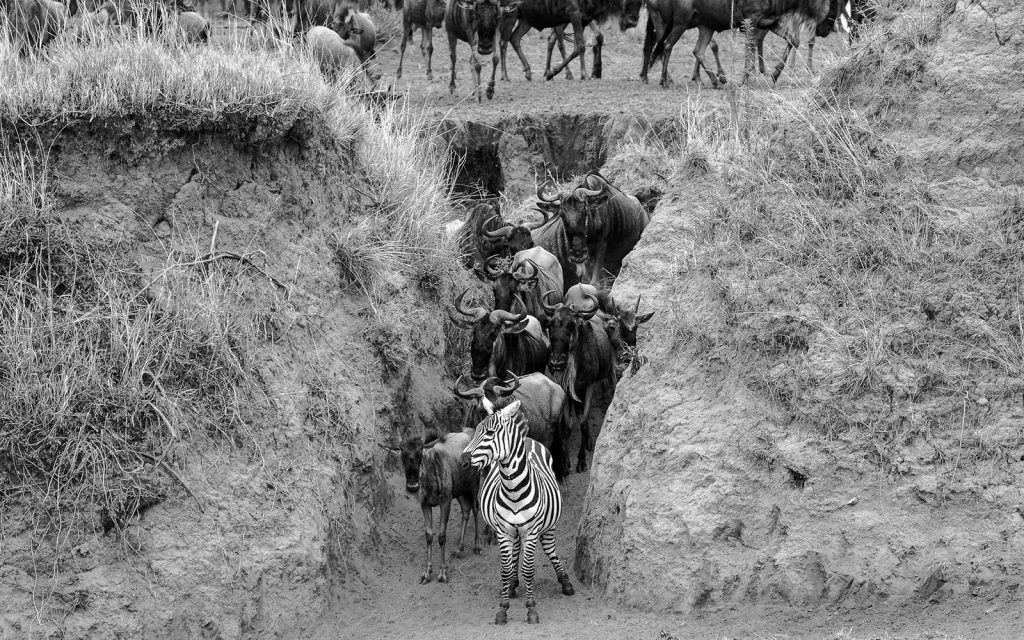
The crossing point in the vicinity of Serena area of the northern Masai Mara is one of the most reliably productive sites in the reserve during the peak July to October season a stretch of river characterized by steep, dramatic banks that create some of the most visually striking crossing imagery available anywhere along the Mara.
The steep bank geometry at this crossing point means that the wildebeest arrive at the water’s edge at height and must commit entirely to the plunge creating the dramatic, almost vertical leap into the water that has become one of the defining images of the Great Migration. The drop is significant enough that the hesitation and nervous backward movement of animals at the edge is particularly pronounced here, building a tension that can last for hours before the first animal finally commits and the herd follows in its unstoppable cascade.
This crossing point is particularly favored by wildlife photographers for whom the steep angle of the bank creates a natural frame and a dramatic sense of depth and movement that flatter crossing photography more than the lower-gradient sites further south.
Best time to visit: August and September when the main herds are concentrated in the northern Mara and crossing activity at this point is at its peak.
5. Ol Kiombo Crossing; The Intimate Conservancy Experience.
The crossing points accessible from the Ol Kiombo area and the private conservancies bordering the northeastern edge of the Masai Mara National Reserve offer what is, for many experienced safari travelers, the finest crossing experience of all not because the crossings are necessarily larger or more dramatic than those within the reserve, but because the experience of witnessing them is so fundamentally different in character and quality.
Private conservancy crossing viewings operate under entirely different rules from those within the national reserve. Off-road driving is permitted, allowing guides to position vehicles with a precision and proximity impossible on the reserve’s defined tracks. Visitor numbers are strictly limited by conservancy management, ensuring that the crossing is witnessed by a handful of vehicles rather than the large congregations that can form at the most popular reserve crossing points during peak season. Night drives are available in the conservancies, offering the extraordinary experience of watching the riverbanks after dark hearing the sounds of the migration without the visual guide of daylight, and occasionally witnessing the beginnings of a moonlit crossing.
For the traveler staying in one of the conservancy properties adjacent to the Mara properties such as those in the Mara North Conservancy, the Olare Motorogi Conservancy, or the Naboisho Conservancy the crossing experience combines the full drama of the river crossing with a level of intimacy, exclusivity, and personalized guide attention that the national reserve cannot provide.
Best time to visit: Throughout the July to October crossing season. The reduced vehicle numbers mean that even a modest crossing feels dramatic and personal in a way that the busier reserve sites rarely achieve.
Planning Your Crossing Experience: Practical Advice for 2026.
The single most important information of practical advice for any traveler planning to witness the Mara River crossing in 2026 is to allocate sufficient time. A minimum of three consecutive days on the Mara River during peak season is the honest recommendation of every experienced guide because crossings are entirely unpredictable, can happen at any time of day, and require patience, positioning, and the willingness to wait.
Book your Masai Mara accommodation with guides who have established spotter networks, communicate openly about their tracking methodology, and are willing to spend extended periods at crossing points rather than offering brief visits between other game drive activities. The guides who deliver crossing sightings most consistently are those who understand the river, the herds, and the crossing points as intimately as the animals themselves.
The spectacle rewards the patient traveler above all others and the patience, when the first wildebeest finally leaps from the bank and the herd follows in its thundering, irreversible cascade, is repaid in full and permanently.