Masai Mara Safari Cost in 2026: The Truth No One Tells You

Every safari operator’s website shows you a starting price. Almost none of them show you the real number you will actually spend once flights, park fees, single supplements, gratuities, and the inevitable extras are added in. The gap between the advertised figure and the final invoice is one of the most consistently underreported aspects of planning a Masai Mara trip, and it catches even experienced travelers off guard. Here is the honest, complete breakdown of what a Masai Mara safari actually costs in 2026, including the parts the brochures conveniently leave out.
The Headline Price Is Rarely the Real Price.
Most Masai Mara camps advertise a per-person, per-night rate, and that figure is technically accurate but functionally incomplete. It typically excludes park entry fees, conservancy fees, government taxes, single supplements for solo travelers, gratuities for guides and camp staff, domestic flights between Nairobi and the Mara, and any activity beyond the standard two daily game drives. By the time these are added, the actual cost of a stay frequently runs 25 to 40 percent above the headline nightly rate originally advertised, a gap that surprises travelers who budgeted based on the number they first saw online.
Park and Conservancy Fees Add Up Fast.
Whether you stay within the Masai Mara National Reserve or in one of the surrounding private conservancies, daily entry or conservancy fees are charged on top of accommodation, and these are frequently quoted separately rather than folded into the advertised nightly rate. Reserve fees and conservancy fees both typically run in the range of USD 80 to USD 200 per person per day depending on the specific area and season, and for a five-night stay, this alone can add USD 400 to USD 1,000 per person to the total cost before accommodation is even considered.
The Single Supplement Nobody Mentions Upfront.
Solo travelers consistently encounter one of the least transparently advertised costs in the entire safari industry: the single supplement. Camps and lodges price their accommodation based on double occupancy, and a solo traveler is typically charged an additional 30 to 75 percent on top of the per-person rate to occupy a room alone. This charge is rarely visible on the initial pricing page and often only appears once you begin the actual booking process, by which point many travelers have already mentally committed to a budget that the supplement then exceeds significantly.
Domestic Flights Are Not Optional in Practice.
While road transfers from Nairobi to the Mara are technically possible, they take six to seven hours each way over often rough roads, and the overwhelming majority of mid-range and luxury safari itineraries are built around domestic flights between Nairobi’s Wilson Airport and the Mara’s airstrips. These flights typically cost between USD 200 and USD 450 per person each way and are frequently quoted as a separate line item, not included in the advertised camp rate, despite being functionally essential to most realistic itineraries.
Peak Season Pricing Inflates Beyond What Demand Alone Explains.
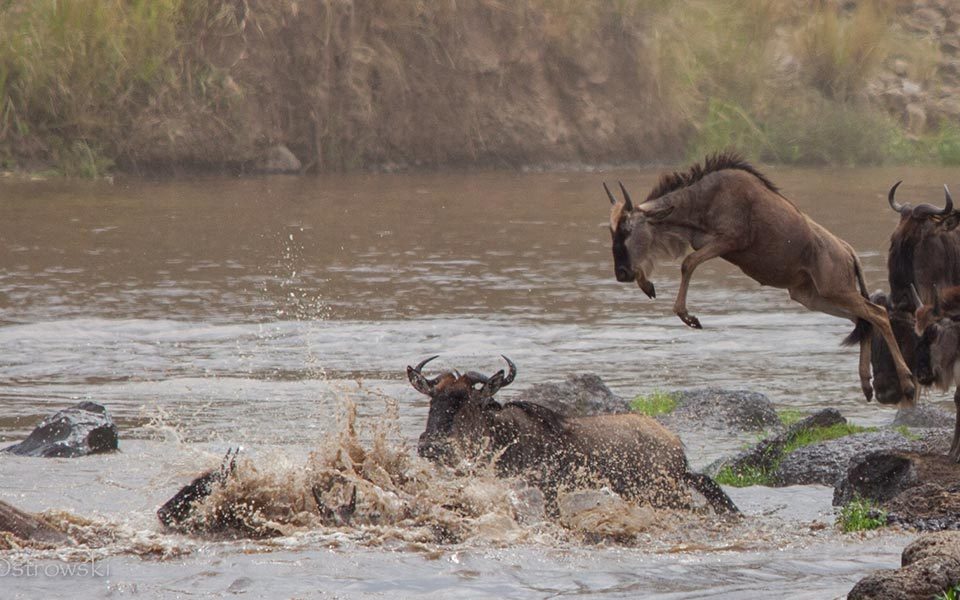
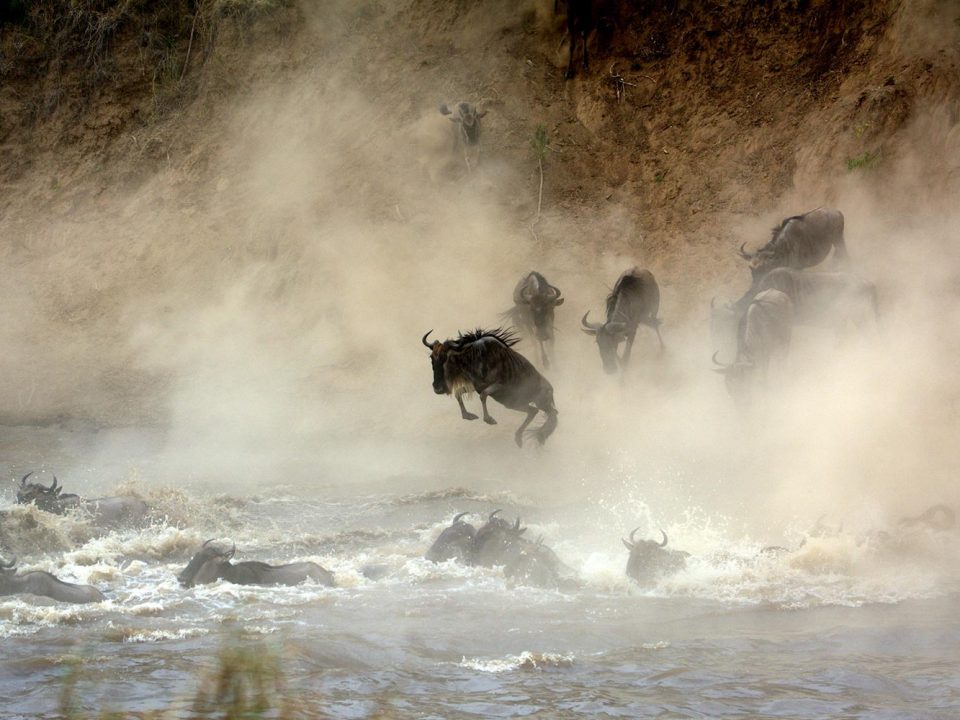
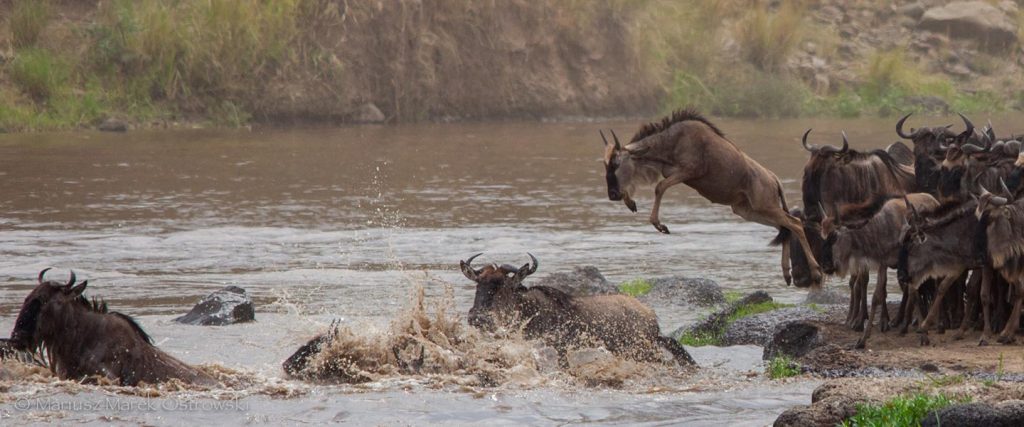
The July to October migration season, alongside the December holiday period, sees pricing at many camps increase by 50 to 100 percent above shoulder season rates. While increased demand partially explains this, a significant portion of the peak season premium reflects what the market will simply bear rather than a proportional increase in operating costs. Travellers fixated specifically on witnessing a river crossing should expect to pay this premium, but those whose priority is general wildlife viewing, which remains excellent throughout the year, can avoid a substantial percentage of total trip cost simply by shifting travel dates outside the absolute peak weeks.
Gratuities Are a Real and Often Unbudgeted Cost.
Tipping in the Kenyan safari industry follows fairly well-established norms that are rarely communicated clearly before arrival. Guides typically receive USD 15 to USD 25 per guest per day, and camp staff collectively receive a similar amount distributed through a shared staff tip box. For a five-night stay for two people, this can add USD 300 to USD 500 to the total trip cost, a figure that is almost never included in any pre-trip budget estimate provided by operators, despite being a near-universal expectation in practice.
Activity Add-Ons Accumulate Quickly.
The standard package of two daily game drives is rarely the full extent of what camps offer, and several popular activities carry significant additional costs. A hot air balloon safari typically costs USD 450 to USD 550 per person. A guided Maasai village visit, bush dinner, or private sundowner experience often carries its own separate charge, sometimes in the range of USD 50 to USD 150 per person. None of these are usually included in headline pricing, and a traveler who assumes the advertised rate covers the full intended experience frequently discovers otherwise only once already at camp.

What a Realistic Total Actually Looks Like.
Pulling these pieces together, a realistic five-night Masai Mara trip for two people in mid-range accommodation during peak season, including domestic flights, conservancy fees, gratuities, and one or two add-on activities, frequently totals USD 8,000 to USD 14,000 for the couple, considerably above what the initial per-night browsing figure might have suggested. A similar trip during shoulder season, in a well-chosen but less ostentatious camp, can come in closer to USD 5,000 to USD 8,000 for the same two travelers, a meaningful difference driven almost entirely by timing rather than any reduction in experience quality.
The Honest Advice Operators Rarely Volunteer.
Ask every operator for a fully inclusive quote before booking, explicitly listing park fees, conservancy fees, flights, gratuities expectations, and any activities you specifically want included. Request this in writing rather than relying on a verbal estimate during a sales call. A reputable operator will provide this transparently when asked directly, even if their initial marketing materials do not volunteer it unprompted, and the difference between operators willing to give you this full picture upfront and those who avoid the question is itself a useful signal of overall trustworthiness.
Conclusion; The real cost of a Masai Mara safari in 2026 is consistently and substantially higher than the headline nightly rate most travelers see first, once park fees, conservancy charges, single supplements, domestic flights, gratuities, and activity add-ons are properly accounted for. None of this means the Mara is not worth the investment; for the right traveler, it remains one of the most extraordinary wildlife experiences on earth. It does mean that budgeting based on the advertised per-night figure alone will leave most travelers significantly short of what they actually need, and asking the right questions before booking is the only reliable way to avoid that gap.