Is a Masai Mara Safari Really Worth the Money? (Honest Breakdown).
Masai Mara occupies a strange position in the travel world. It is simultaneously one of the most celebrated wildlife safari destinations on earth and one of the most expensive forms of travel a person can undertake, with a multi-day trip routinely costing several thousand dollars before international flights are even factored in. For travelers weighing this investment against a month in Southeast Asia, a European city break, or simply keeping the money in savings, the question of whether it is genuinely worth it deserves an honest, unsentimental answer rather than the breathless marketing language that usually surrounds the destination. Here is that breakdown.
What You Are Actually Paying For.
A Masai Mara safari is not simply accommodation with a wildlife backdrop. The all-inclusive pricing model typical of Mara camps and lodges covers accommodation, all meals, two daily game drives with a private or shared vehicle and guide, park or conservancy fees, and often laundry and select beverages. Disaggregated, a private game drive with a skilled guide alone would command a meaningful sum if priced independently, and the bundled structure, while expensive in absolute terms, is a more honest representation of total cost than unbundled alternatives that appear cheaper but accumulate quickly through add-on charges.
Understanding this bundling matters because it reframes the comparison. A thousand dollars a night is not purely accommodation pricing in the way a city hotel room is. It includes the guiding, the access, and the logistics that make the wildlife experience possible at all.
The Case That It Is Worth It.
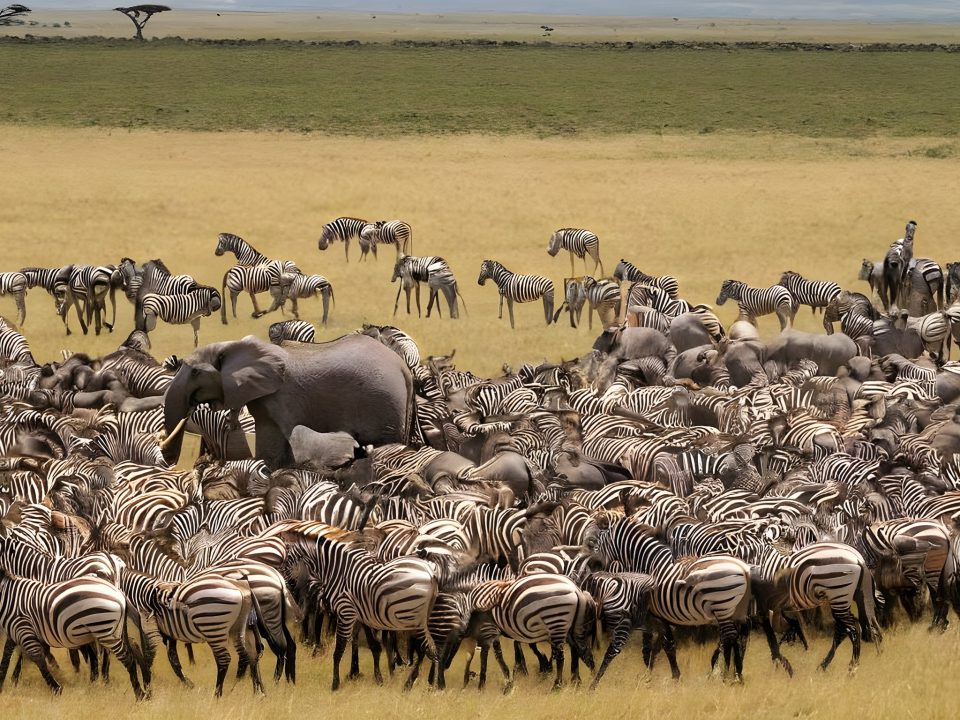
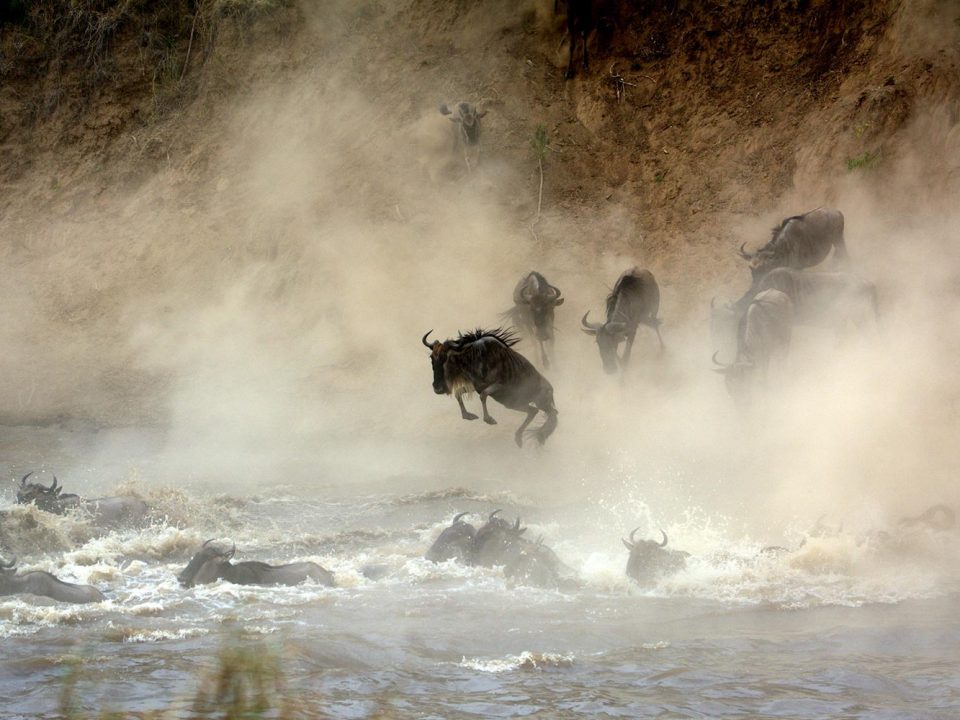
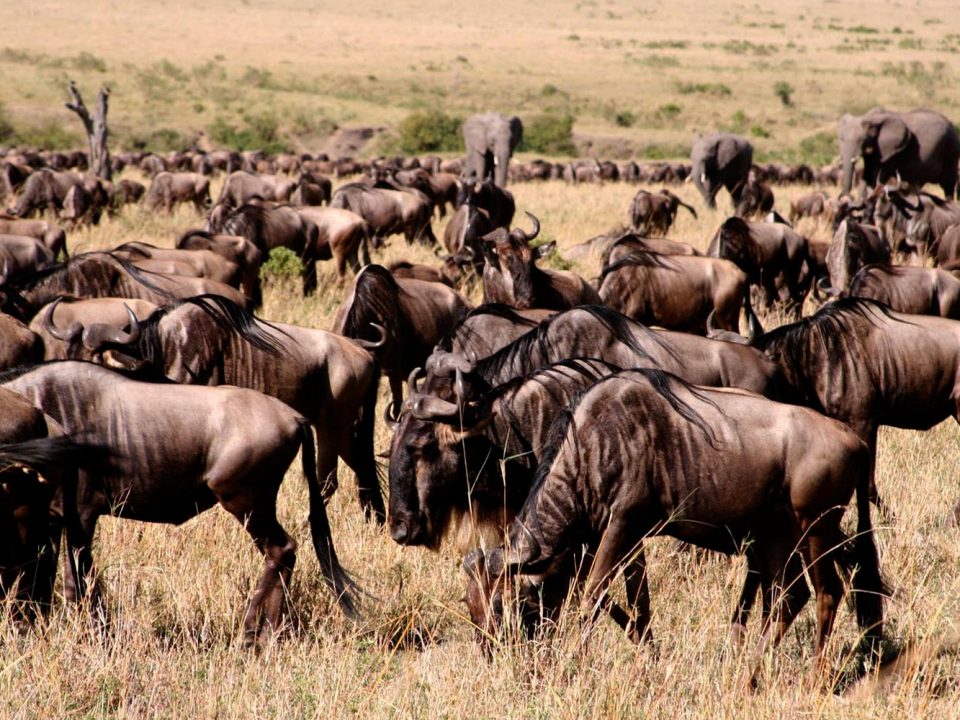
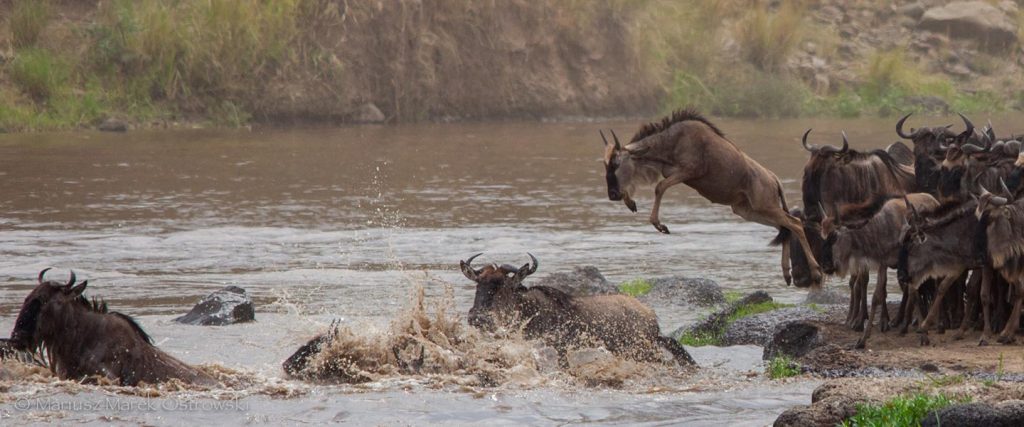
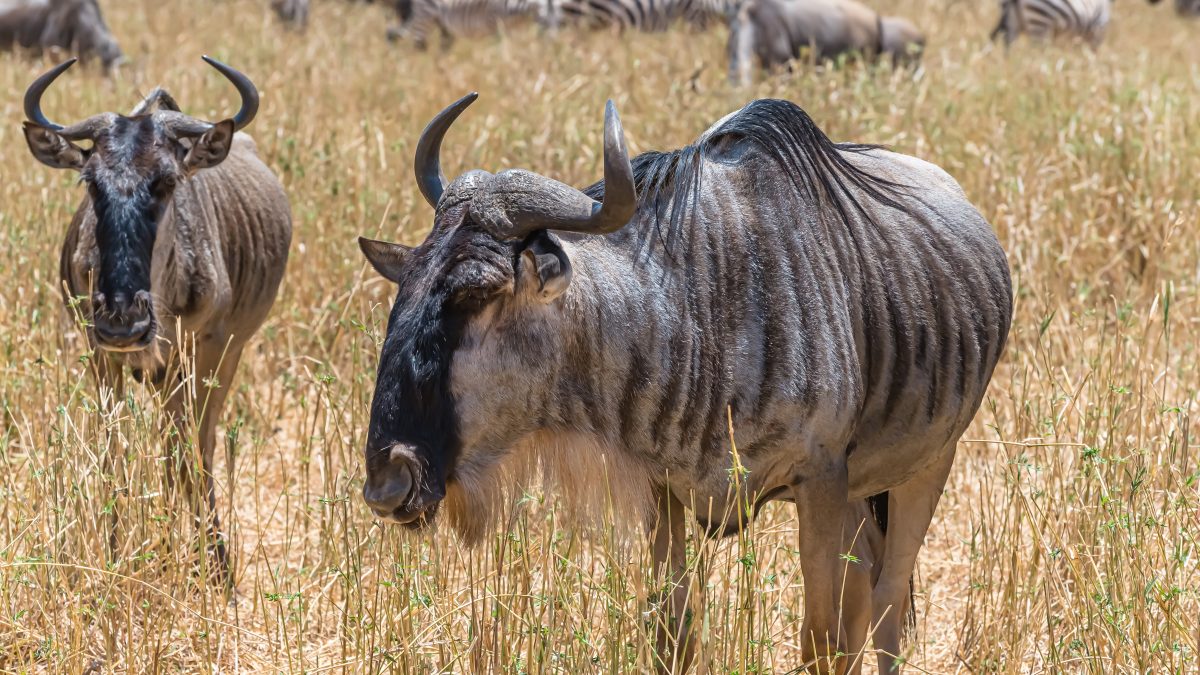
For the right traveler, the case for value is genuinely strong. The density and accessibility of wildlife safari in the Mara is difficult to overstate lion sightings on most game drives, regular leopard and cheetah encounters with a good guide, and during the July to October migration season, a spectacle of scale that exists nowhere else on the planet. The quality of guiding available at mid-range and luxury properties consistently exceeds what budget alternatives can offer, and guiding quality is the single factor most responsible for whether a safari feels merely good or genuinely transformative.
There is also a conservation dimension worth weighing honestly. A meaningful portion of conservancy fees and park revenue funds anti-poaching operations, habitat protection, and the economic incentives that make wildlife conservation viable for Maasai communities living alongside the reserve. Money spent on a well-chosen Mara safari is not purely consumption; it is, in measurable part, a contribution to an ecosystem’s continued survival.
For travelers who value depth of experience over volume of destinations, who have specifically wanted to witness African wildlife for years rather than treating it as one stop among many, and who choose their property and season thoughtfully, the experience consistently delivers something that travelers describe, without much exaggeration, as genuinely life-altering.
The Case That It Is Overpriced.
Honesty requires acknowledging where the value proposition weakens. Peak season pricing, particularly during the July to October migration window, often reflects demand-driven premiums as much as genuine cost increases, and travelers paying top-tier rates during this period are frequently sharing significant wildlife sightings with dozens of other vehicles, a crowding problem that no amount of money spent on accommodation solves, since vehicle density at popular sightings is governed by total visitor volume in the reserve, not by which camp booked you.
A meaningful percentage of what differentiates a mid-range camp from a luxury lodge is comfort rather than wildlife access thread count, architectural finish, plunge pools, and personalized service that, while genuinely pleasant, do not change how many animals you see or how skilled your guide is. Travellers paying luxury prices specifically expecting a superior wildlife experience, rather than a superior comfort experience, are sometimes disappointed to discover the gap is narrower than the price differential suggests.
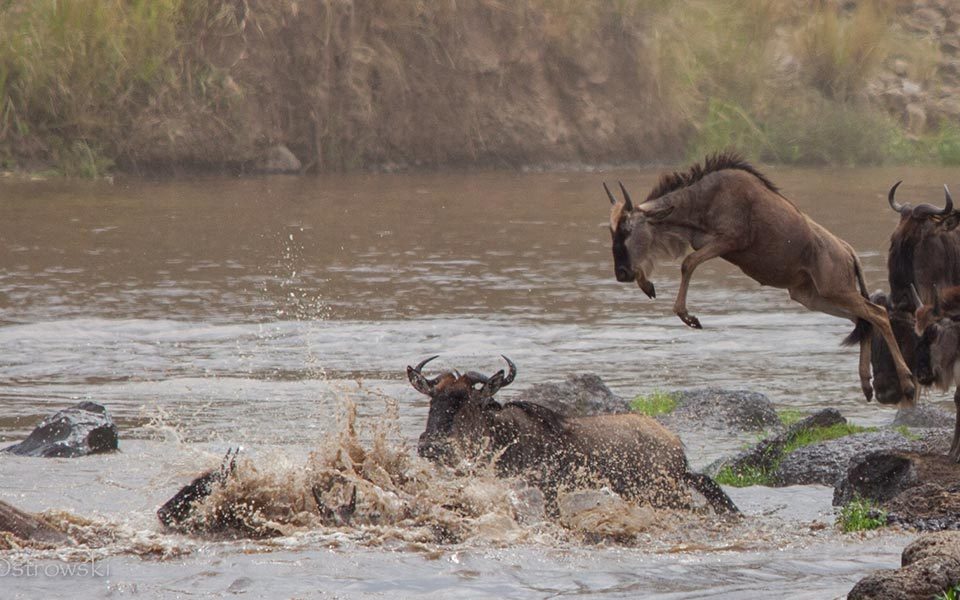
There is also no guarantee built into any price point. Wildlife sightings remain fundamentally unpredictable, and even the most expensive camp cannot promise a leopard sighting or a river crossing. Nature remains entirely indifferent to the contents of anyone’s wallet, and travelers who have not internalized this before arrival sometimes feel the cost was not justified by what they personally witnessed, regardless of how reasonable that expectation actually was.

Where the Money Genuinely Matters.
If there is one area where spending more demonstrably improves the experience, it is guiding and exclusivity, not luxury finishes. A skilled guide who reads animal behavior fluently and knows the specific territory will deliver a measurably better experience than a mediocre one, and private conservancies bordering the main reserve, which limit vehicle numbers and permit off-road driving and night drives unavailable within the reserve itself, offer a genuinely superior wildlife experience that is directly tied to what you pay, not merely a comfort upgrade layered on top of an identical product.
This is the most useful insight for any traveler trying to decide whether the Mara is worth the cost: spend deliberately on guide quality and conservancy access, and spend more cautiously on architectural luxury, since the former changes the wildlife experience and the latter primarily change how comfortable you are between game drives.
How to Make It Worth It for You Specifically.
The honest answer to whether a Masai Mara safari is worth the money depends less on the destination itself and more on how thoughtfully the trip is planned. Choosing the shoulder season if river crossings are not the singular priority, prioritizing a well-reviewed guide over an unfamiliar luxury brand name, considering a conservancy over the main reserve during peak months, and being clear-eyed about which costs genuinely affect wildlife access versus which simply affect personal comfort all shift the value calculation meaningfully in the traveler’s favor.
A poorly planned, overpriced Mara trip and a thoughtfully planned, genuinely excellent one can sit at remarkably similar price points. The difference lies almost entirely in the decisions made before departure, not in the raw amount of money spent.
Conclusion; Is a Masai Mara safari worth the money? For the traveler who plans deliberately, prioritizes guiding and access over architectural luxury, and arrives with realistic expectations about wildlife unpredictability, the honest answer is yes, genuinely and substantially so. For the traveler who assumes the highest price automatically guarantees the best experience, or who has not researched what they are actually paying for beyond the marketing photographs, the value proposition is considerably less certain. The Mara itself is not the variable in question. It remains one of the most extraordinary wildlife landscapes on earth regardless of price point. What determines value is the quality of the decisions made on the way there.