The role of zebras and gazelles in the Masai Mara migration.

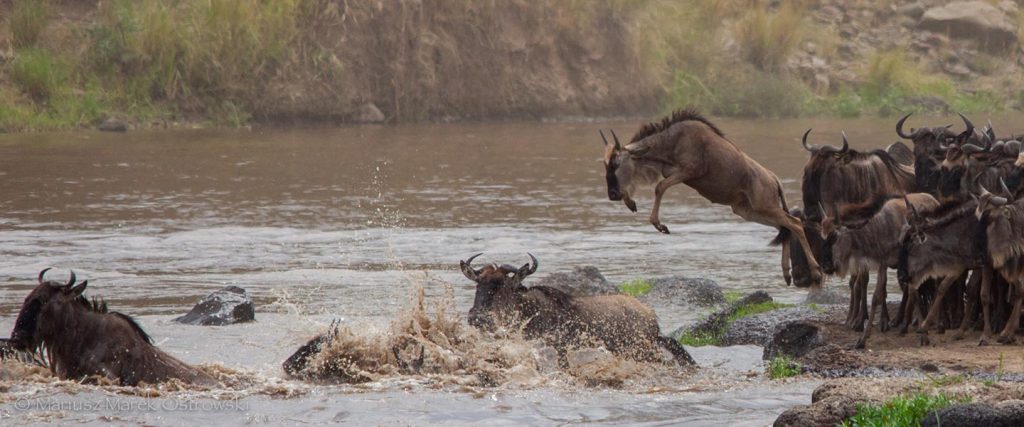
When people talk about the Great Migration in the Masai Mara and Serengeti, the conservation almost always focuses on the wildebeest. With nearly 1.5 million of them moving in a giant, noisy column, it is easy to see why they get all the attention. However, the Great Migration is not a solo act; it is a challenging, multi-species relay race. To truly understand how this ecosystem survives, we must look at the two other essential participants; the Burchell’s zebra and the Thomson’s Gazelle. These two species are not just ‘’along for the ride.’’ They play specific, biological roles that allow the migration smoothly. Without the zebras acting as the pathfinders and the gazelles acting as the final grazers, the migration would likely collapse. Understanding their roles reveals the incredible ‘’teamwork’’ of nature of the African savanna.
1.The zebras: The Vanguard and pathfinders.
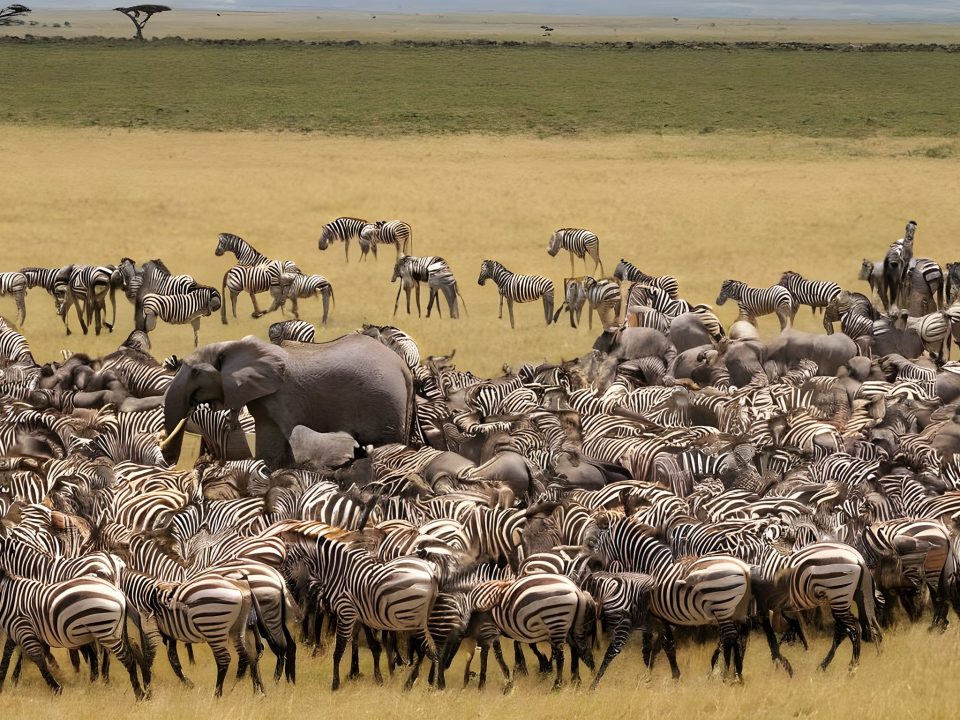
The zebras are the pioneers of the Great Migration. They are almost always the first to arrive in the new territory, often leading the wildebeest by several miles. This is not a coincidence; it is a result of their unique digestive system and their superior memory.
The ‘’Bulk’’ Grazers: Zebras are ‘’pioneer grazers.’’ They have a digestive system that allow the, to process large quantities of course, tall and tough grass that wildebeest can not easily digest. By arriving first, the zebras act like lawnmowers. They eat the long, dry tops of the grass, which exposes the shorter, greener, and then more succulent shoots underneath. Wildebeest are ‘’selective grazers,’’ they need those short, nutrient rich shoots to survive. If the zebras did not clear the tall grass first, the wildebeest would struggle to find the food they need. This partnership ensures that the grass is utilized at every stage of its growth, preventing waste and ensuring the herds keep moving.
Superior memory and navigation: Zebras are also believed to have a better ‘’geographical memory’’ than wildebeest. While wildebeest are famous for following the scent of rain, zebras seem to remember the locations of the permanent water sources and traditional grazing grounds from the previous years. Because zebras are more alert and have better eyesight, they often take the lead in moving through thick bush or across the dangerous plains. They are the eyes of the migration, constantly scanning for the predators like lions, or hyenas. When a zebra sense danger, its loud braying alerts the entire mixed herd, providing an important early warning system that benefits every animal in the vicinity.
2.The wildebeest: the ‘’Middle’’ management.
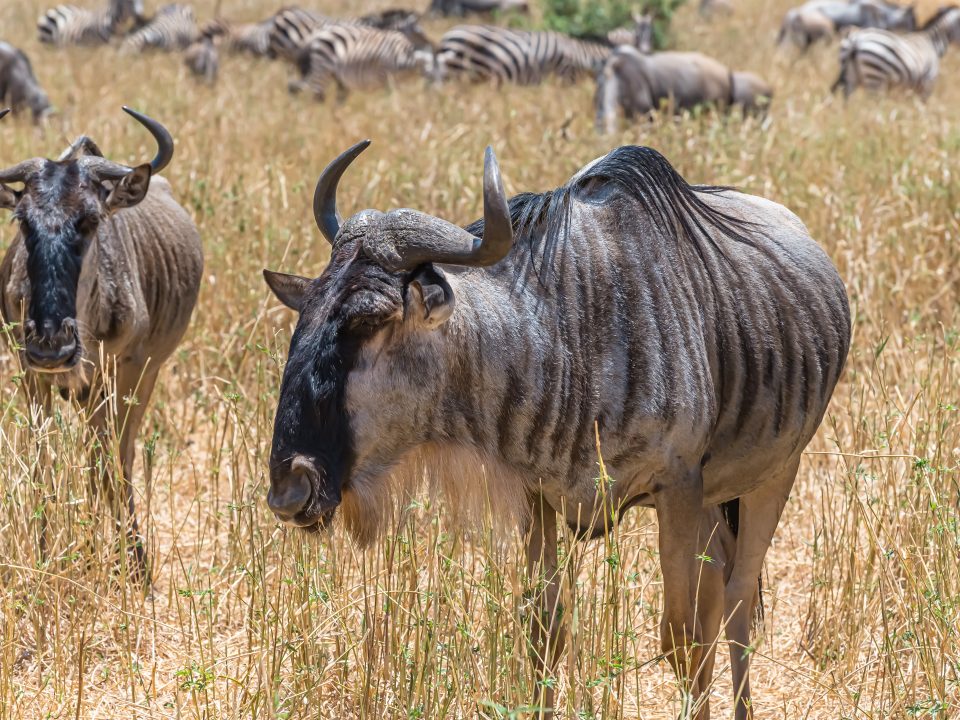
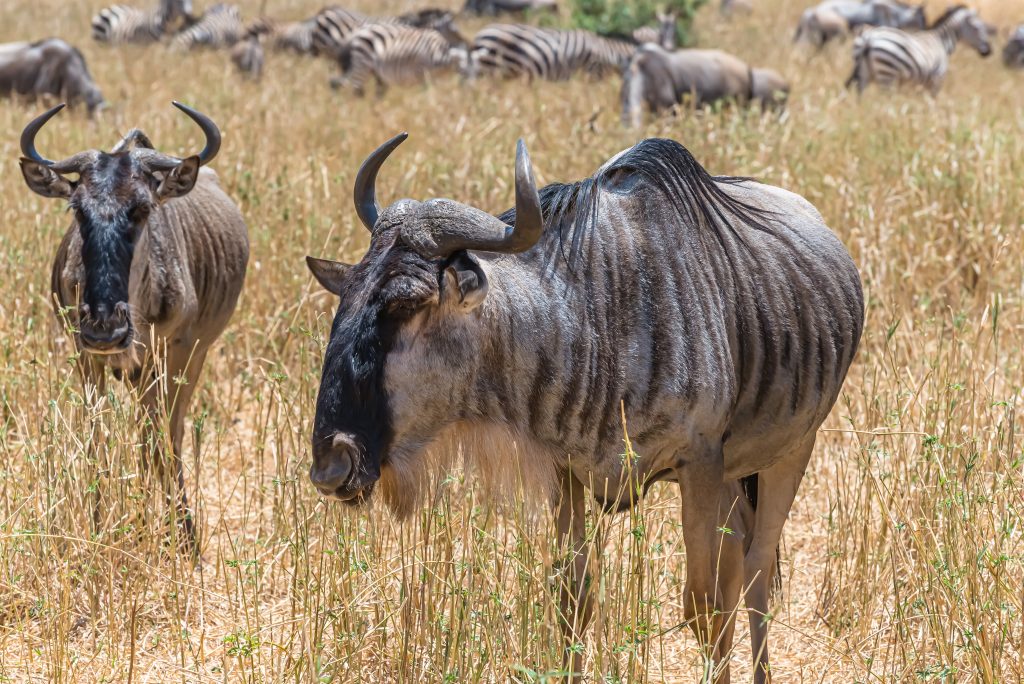
To understand the zebras and gazelles, we must briefly look at their relationship with the wildebeest. The wildebeest represents the ‘’mass’’ of the migration. They follow the zebras because the zebras have done the hard work of opening on the pasture.
The wildebeest are the ‘’short grass’’ specialists. Once the zebras have cleared the tall stalks, the wildebeest move into eat the medium height grass. Their numbers millions of them mean they can change a landscape in a matter of days. As they graze, they also fertilize the soil with their droppings and trample the ground with their hooves. This trampling actually helps stimulate new grass growth. By the time the wildebeest move on, the grass is very short, almost like a manicured golf course. This perfectly prepares the stage for the third and then final wave of the migration: the gazelles.
3.Thomson’s gazelles: the final wave.
Thomson’s Gazelle (or Tommie) usually arrives last in the migratory sequence. While they do not travel the full 1000-mile circuit that the wildebeest and zebras do, they follow the larger herds within the Masai Mara and Serengeti ecosystem.
The ‘’Fine-Tuning’’ Grazers: Gazelles are small and then delicate, and they require the highest quality of food. They can not eat dry, dry grass and they struggle in the medium-height grass that wildebeest prefer. However, once the wildebeest have cleared the area and the grass begins to regrow into the tiny, protein-rich shoots, the gazelles move in. they are ‘’concentrate selectors.’’ Meaning they pick out the most nutritious parts of the plant, such as the clover, herds and the very tips of the new grass.

The ecological cleanup: By arriving last, the gazelles ensure that nothing is wasted. They graze on the very short grass that the larger animals ‘mouths are too big to effectively ‘’grip.’’ This three-stage grazing process zebra (tall grass), wildebeest (medium grass), and gazelle (short grass) is perfect example of the ‘’niche partitioning’’. It allows three different species to live in the same area and eat the same resource (grass) without constantly fighting over it. Each species takes what it needs and prepares the environment for the next.
4.Safety and Diversity: the multi-species defence.
One of the most fascinating aspects of seeing zebras, wildebeests, and other gazelles together on an African safari is seeing how they protect each other. This is often called ‘’interspecific cooperation,’’ and it is a key reason why so many animals survive the migration.
Different senses, shared security: Each species brings a different ‘’Superpower’’ to the group’s defence. Zebras have excellent eyesight, especially in the low light, making them a great at spotting lions in the distance. Wildebeest have an incredible sense of smell, which helps them detect predators or water from miles away. Gazelles are incredibly fast and agile, often scatting as the ‘’alarm for the group; when a gazelle starts ‘’pronking’’ (jumping high into the air with stiff legs), every animal in the herds knows a predator is close.
By staying together, they create a ‘’wall of senses’’. A lion trying to sneak up on a mixed herd has to bypass the zebra’s eye, the wildebeest’s nose, and the gazelle’s nervous energy. This makes it much harder for the predators to successfully hunt. On a safari, you will often see zebras and wildebeest standing back-to-back, looking in opposite directions. This simple behaviour provides a 360-degree view of the savanna, ensuring that no predator can approach unseen.
5.Why the zebra and gazelle count matters to you.
For a tourist on safari, understanding the role of zebras and gazelles changes the way you look at the landscape. Instead of just seeing ‘’lots of animals,’’ you start to see a beautifully choreographed biological machine.
Predicting the migration: If you are in Masai Mara and you see thousands of zebras but very few wildebeest, you know you are at the ‘’front’’ of the migration. The main herd is likely a day or two behind. If you see mostly gazelles on short, well-grazed grass, you know the main migration has already passed through. This knowledge helps your safari guide to predict where the best location and then the best predator sightings will be.
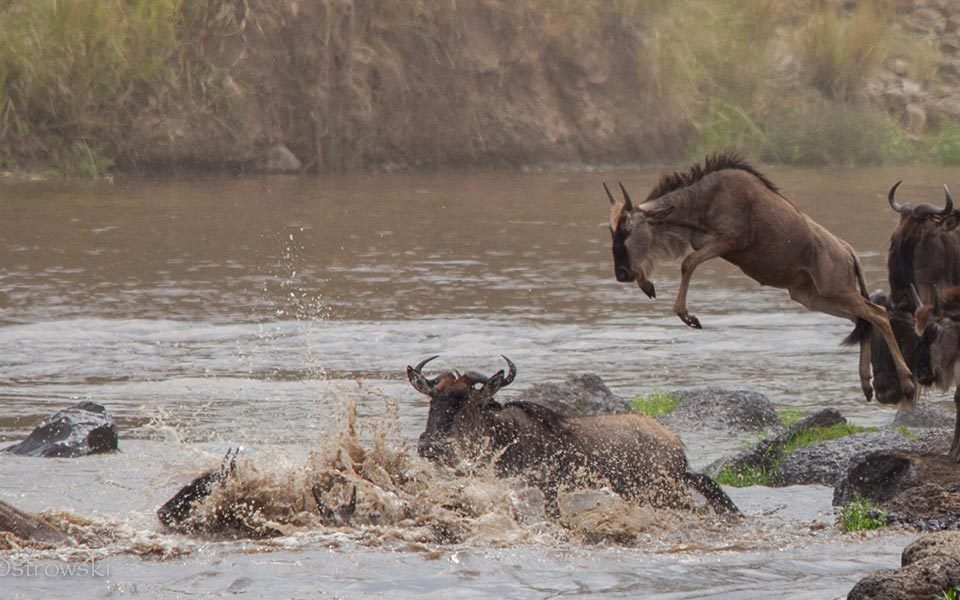
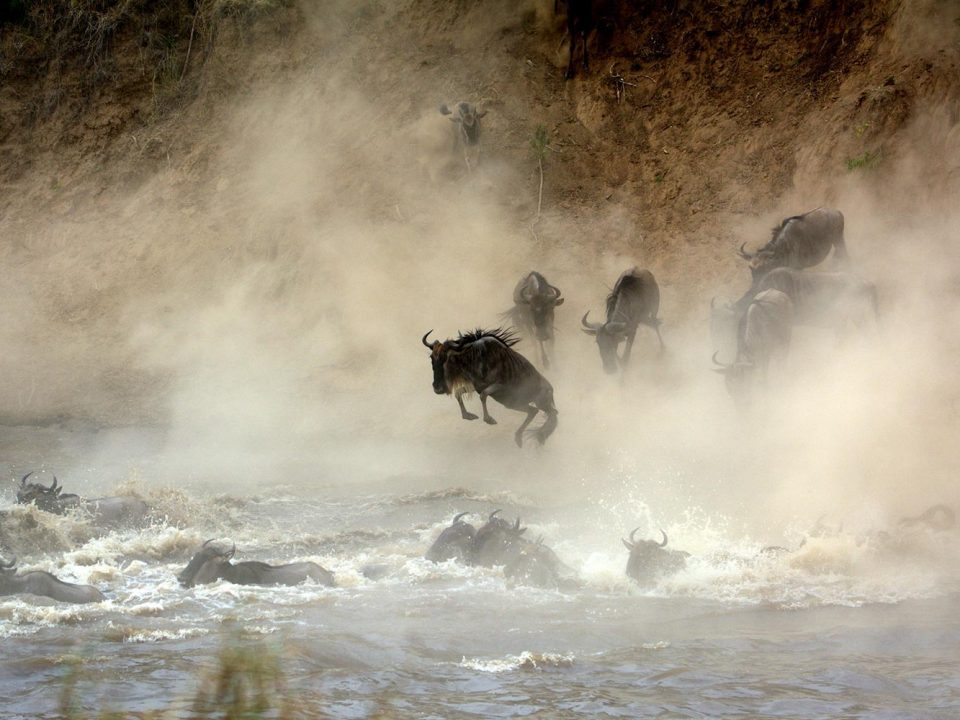
The Full picture of Life: seeing the migration is about more than just the river crossings. It is about witnessing the incredible balance of nature. The zebra’s strength and then memory, the wildebeest’s endurance and numbers and the gazelle’s speed and precision all come together to create the greatest wildlife show on Earth. When you book your safari with Adyeri Travel Limited, remember to ask your guide about the ‘’Pathfinders’’ and the ‘’Final Wave.’’ It makes the safari experience of the great Migration much deeper, more educational and ultimately more rewarding.