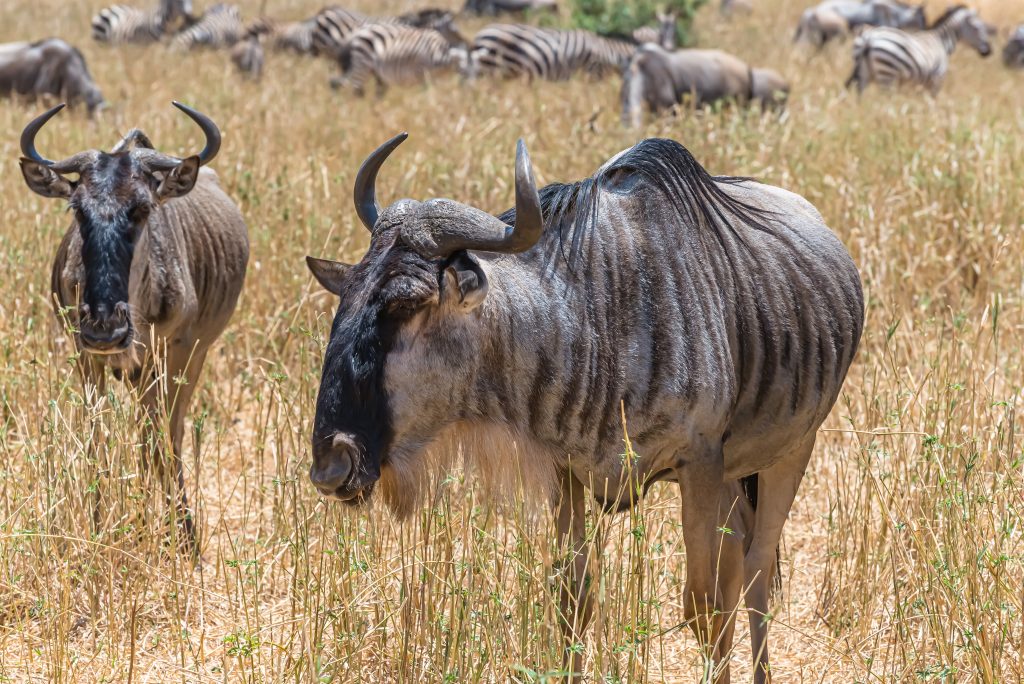
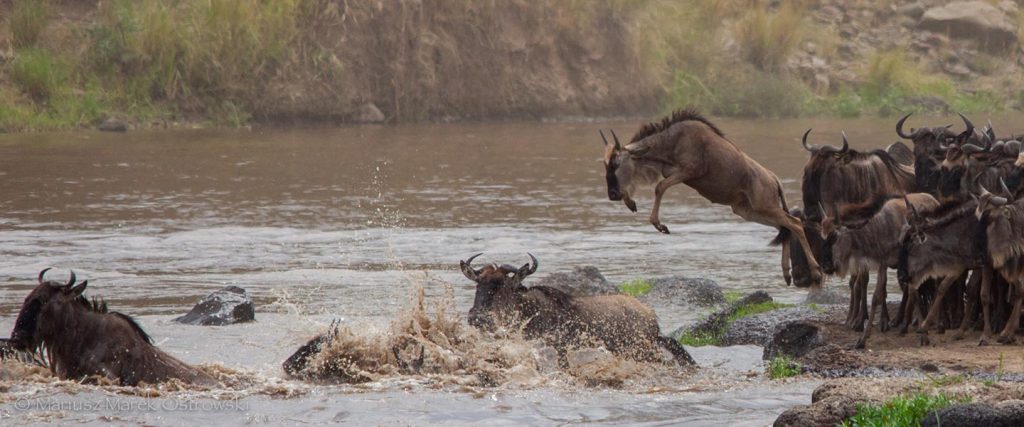
Wildebeest migration routes, exploring Kenya’s Maasai Mara and Tanzania’s Serengeti.

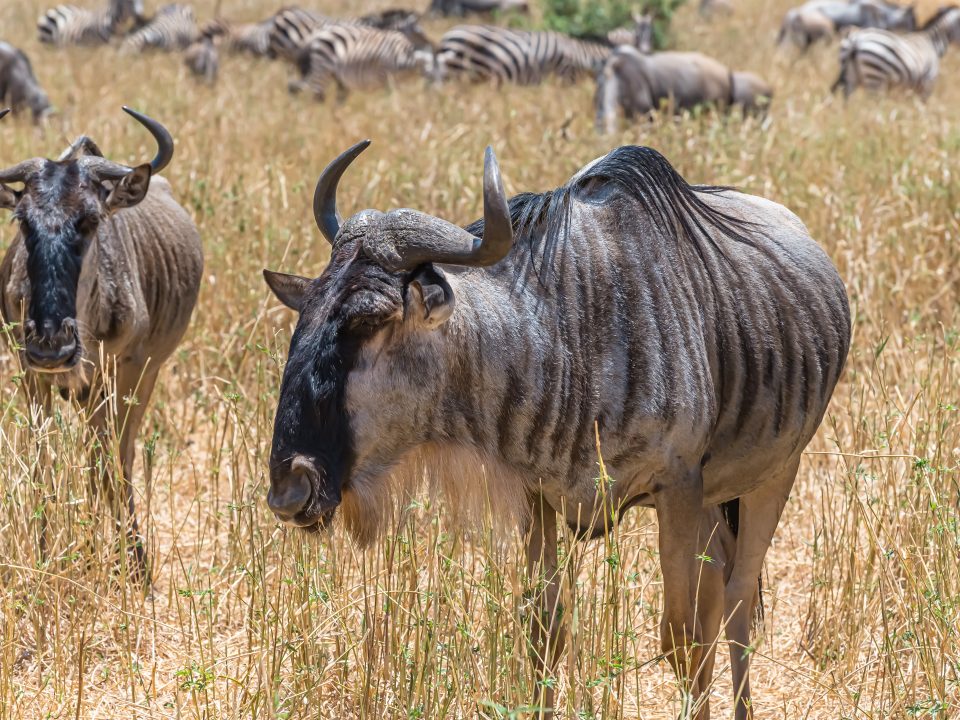
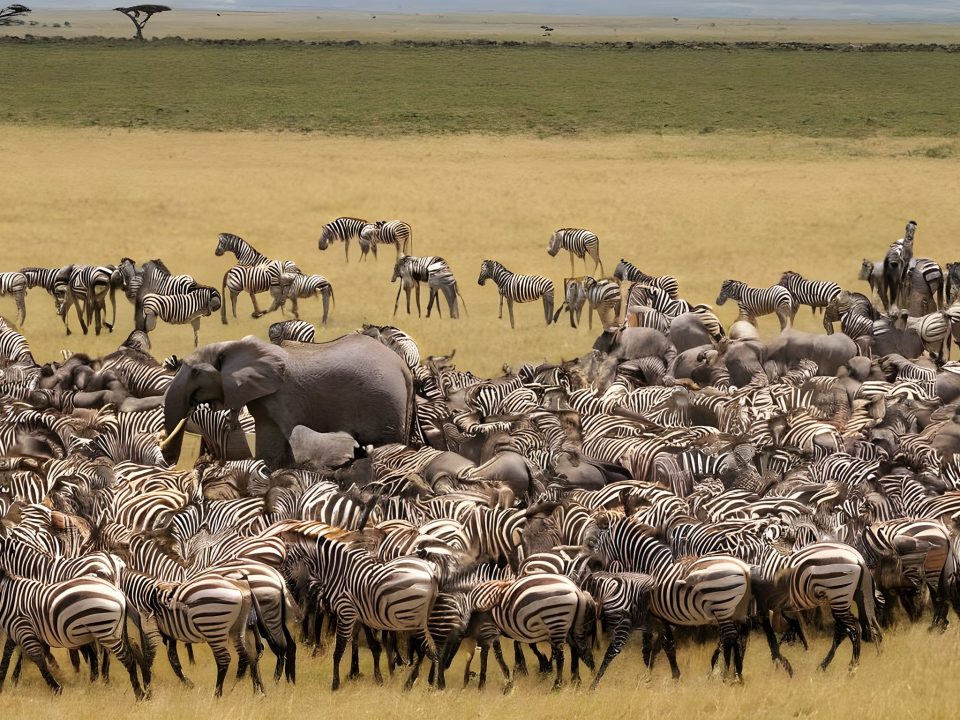
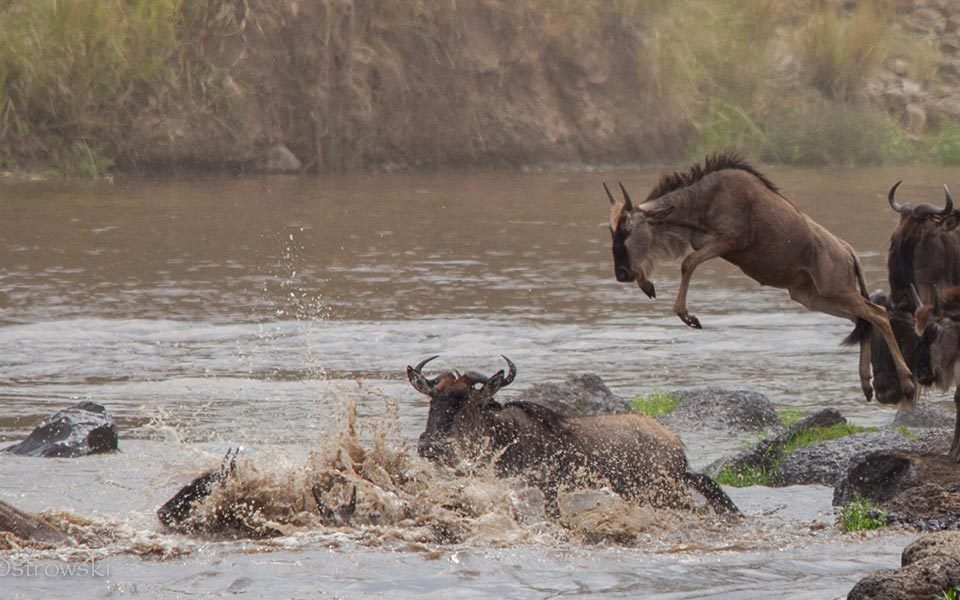
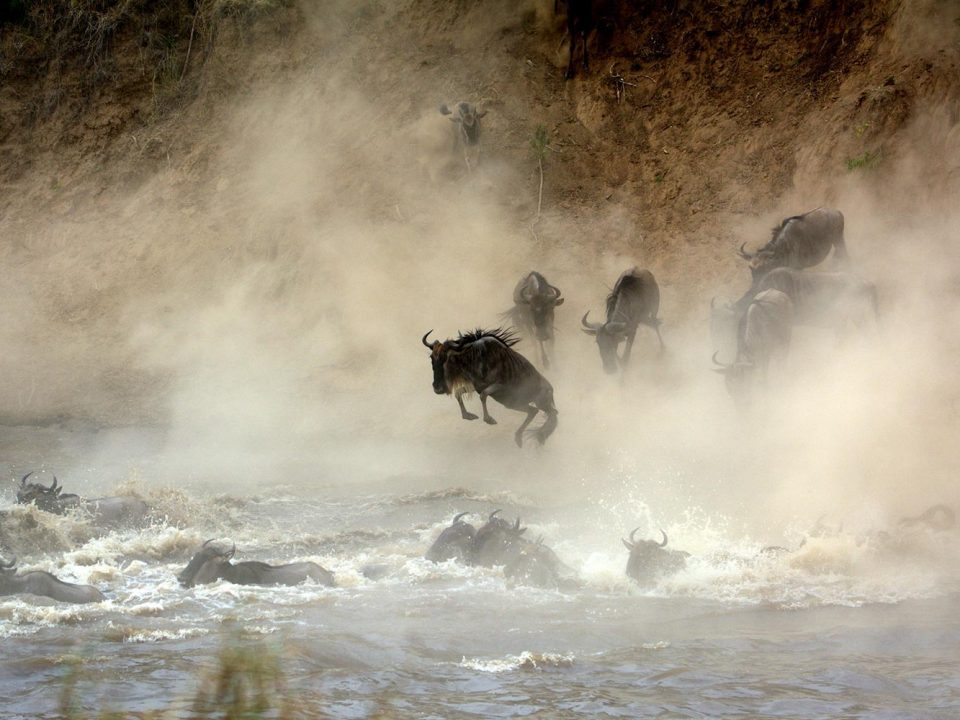
The wildebeest migration is an epic journey traversing approximately 1200 miles (1900km) through Tanzania’s Serengeti national park and Kenya’s Maasai Mara national reserve. The migration route begins in the southern Serengeti (December to march) where the wildebeest are born before moving northwards to the western Serengeti (April to May) and then into Kenya’s Maasai Mara (July to October). The herds then returns to Serengeti’s eastern plains (November to December) driven by seasonal rainfall and grazing patterns. Along the way, the wildebeest, accompanied by the zebras, gazelles and impalas face numerous river crossings, predators and then the challenging terrain, making their migration one of the most spectacular and wonderful wildlife events on the planet.
The great wildebeest migration is a continuous circular movement, driven by the seasonal rainfall and the grazing patterns, the movement can be highlighted into four main phases;
Calving season (December to March) the wildebeest gather in the southern Serengeti.
Green season (April to May) herds move northwards to the western Serengeti.
Dry season (July to October) the wildebeest migrate to Kenya’s Maasai Mara national reserve.
Return migration (November to December) the herds return to the southern Serengeti.
This cyclical movement is influenced by the search for food, water and the breeding grounds, with the wildebeest traversing rivers, plains and woodlands and encountering predators along the way.
To witness the great wildebeest migration, consider the following tips,
Plan ahead, book your accommodations and the tours early especially during the peak season (July to October not to miss the migration.
Choose the strategic locations, Focus on the key migration hotspots like Serengeti’s Ndutu (December to March. Grumeti (May to June) and then Maasai Mara national reserve (July to October).
Timing is everything, plan around seasonal rainfall patterns and then the migration phases.
Work with the experienced guides, local guides can track migration patterns and provide the expert insights from Adyeri Travel Limited.
Be prepared, pack your suitable clothing binoculars and then the cameras to capture the spectacle that offers you unforgettable safari experience.
Respect wildlife, maintain safe distances and follow park rules to minimize disturbance.
Consider off-peak season, avoid crowds and enjoy lower prices during shoulder seasons.
Stay flexible, migration patterns can vary, so remain adaptable and open to changes in your itinerary. By following these incredible these tips, you will be well-equipped to witness one of the nature’s most wonderful spectacles.

What to pack for the wildebeest migration safari.
When packing for the wildebeest migration safari, consider the following essentials,
Clothing, comfortable safari attire (Khaki, beiga or green) sturdy boots, waterproof jacket, warm layers for mornings and evenings, hat, sunglasses and sunscreen.
Photography gear, high-quality camera, lenses (telephoto and wide-angle), binoculars, memory cards, batteries and a charger.
Safari accessories, water bottle, field guidebook, insect repellent, first-aid kit, power bank for phone or camera, and reusable bag.
Personal items, passport, visa, medication and personal care items.
Additional tips, pack lightweight, quick-drying clothing and consider waterproof bags or containers to protect gear during river crossings or unexpected rain showers. Remember to check with Adyeri Travel Limited for specific packing recommendations tailored to your safari itinerary and safari destination.
The great wildebeest migration is an unparalleled natural wonder, witnessing over 1.5 million wildebeest, zebras, and gazelles traverse 1200 miles (1900 km) across Tanzania’s Serengeti and Kenya’s Maasai Mara. This cyclic journey, driven by seasonal rainfall and grazing patterns, offers the stunning experience, like dramatic river crossings and predator-prey encounters, with careful planning, expert guides and responsible tourism practices witnessing the wildebeest migration safari is a life-changing experience, showcasing Africa’s beauty, resilience and interconnectedness. As the migration continues its timeless cycle, it reminds us of the importance of conservation, preservation and reverence for the natural world, leaving an indelible mark on all who bear witness to this incredible phenomenon.