Why do wildebeest migrate? the science behind the Great Migration.

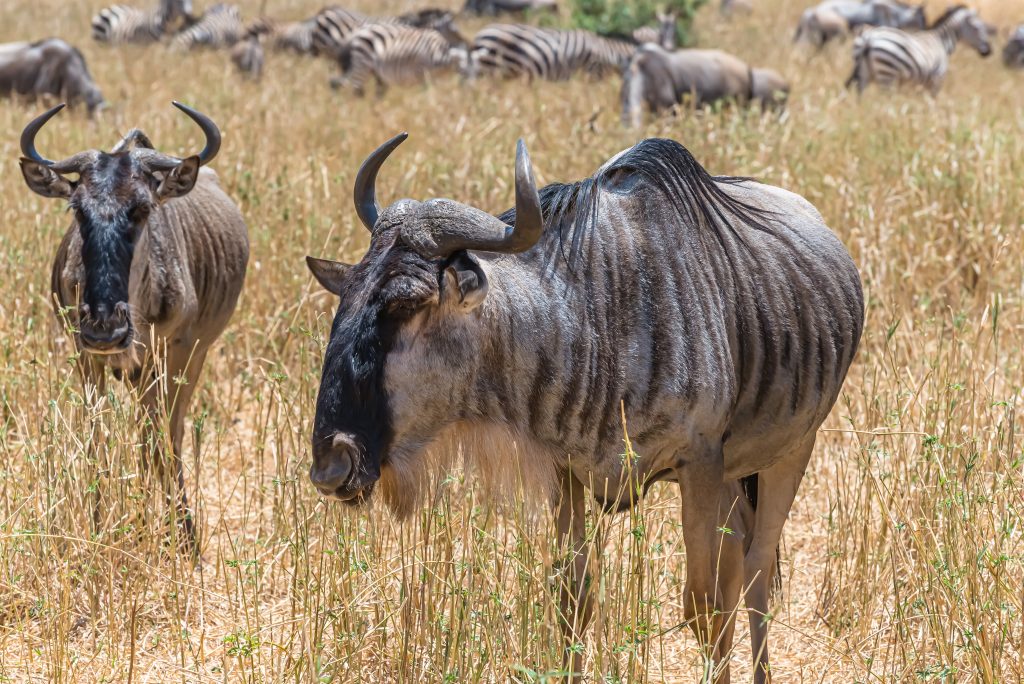
The Great Wildebeest Migration of nearly two million wildebeests across the Serengeti-Maasai Mara ecosystem is frequently referred to as the most fantastic wildlife spectacle on earth. Though the dramatic river crossings are what most people see and talk about, the science behind this never-ending, age-old circular journey is quite simple: it is simply a go of high-quality food and water, traceable to the region’s very seasonal rainfalls, that rules the wild crusade.
1. The Core Driver: Rainfall and Grass Quality.
The whole grandeur migration-the one that involves the greatest number of terrestrial mammals and takes place in East Africa-is powered by the cyclical seasons of the short and long rains, typical to East Africa. The animals are not coming along with the calendar; they are following the rainfall.
The Nutritious Southern Plains (The Starting Line): The migration is a loop that starts and terminates on the expansive, mineral-rich short-grass plains of the southern Serengeti (Tanzania). These plains that lie over volcanic ash from the Ngorongoro highlands provide grass that is high in calcium and phosphorus, which are the most important minerals for the development of bones in calves and pregnant females. The short rainy season (November to March) is also a time when the grass can be very nutritious, making the southern plains the best place for calving.
The Impetus to Move: After the rains cease in March, the sun very quickly heats up these southern plains. Not only does the grass become rough, but its nutritional value also drops significantly. The instinctual movement of herds is to the north, where the animals are confident of finding more edible, less fibrous grass that would have been revitalized by the more trustworthy “long rains” that usually fall in the north and west. The whole cycle is a perennial one in which the highest forage quality is always sought.
2. Biological Necessity: The Annual Calving.
Without the migration there will be no annual calving; the migration and calving of wildebeests are one and the same making the southern plains the absolute necessities for life to go on.
Mass Synchronized Birth: Over the southern plains, the wildebeests give birth within a tightly synchronized three-week period that is most commonly in February. Close to five hundred thousand calves are born almost at the same time. This synchronized birth is a clever anti-predator tactic: the idea is to overwhelm the predators by the number of new-born wildebeests as all of them will be on the plains from a single time. Since any one predator can only consume one calf at a time, the majority survive.
The Role of Minerals: As the grass in the southern region and as already stated, is mineral-rich, it makes the best nourishment possible for the mothers immediately after the birth and for the growth of the bones of the calves. The moment the grass turns poor in quality in March, the calves by then strengthened, can take on the exceptional journey to the north, thereby starting the rest of the migration.
3. The Instinctive Search: Following the Chemical Tracers
When in the world do these massive migrations happen. How do these big herds, whose numbers run into millions can reach for miles, intuitively know each exact direction of their path, and they are. Acute sensory catches weather and smell, it is assumed, guide.
Migrating creatures can always be considered to be among the most demanding of nature, as they cling to these two factors;
Sensing Rain and Thunder: Wildebeest are very sensitive to remote thunderstorms. It is said that they can witness the scent of rain and the sound of thunder from quite a few miles at least. That is how they are performing the function of ‘forecasting’ in this case since they have already been there and so know how much it has rained. In this way, they not only find the best grass freshly watered by the recent storm but also figure out what the next browning area will be left after drying up.
The movement of these animals is never a short one but follows an itinerant, seasonal track, continuously checking their orientation against the weather from time to time.
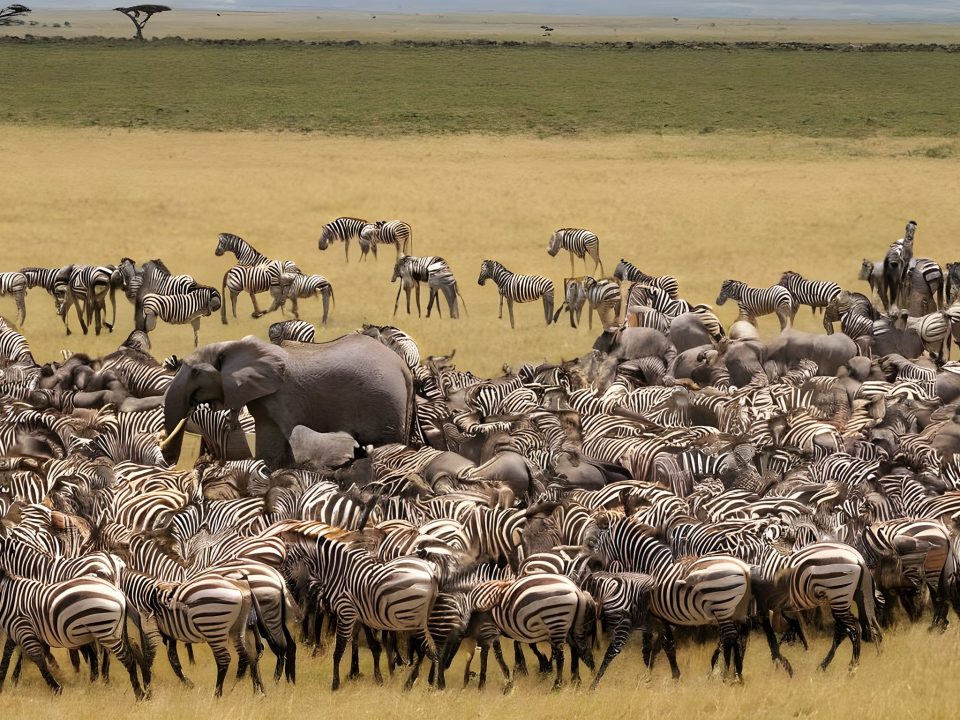
Although the zebras are traveling along the wildebeests, it is thought the latter are the most careless of the group.
Plains Zebras, on the other hand, are known to be more careful and better aware of the route ahead, thus leading the way. Better memory of migratory paths, combined with the ability to consume tougher grasses, enables to convert a part of the forage into a more digestible. The latter follow the former as well as the monumental and, therefore, easily distinguishable columns of the rest of the herd. This makes them more certain of their route.

4. The Obstacle Course: Rivers and Boundaries
Firstly and most importantly, the Grumeti River that lies to the west and secondly the Mara River that is in the northern region are two big obstacles the animals face. However, they are not the only ones in the food chase with a plan to stop here.
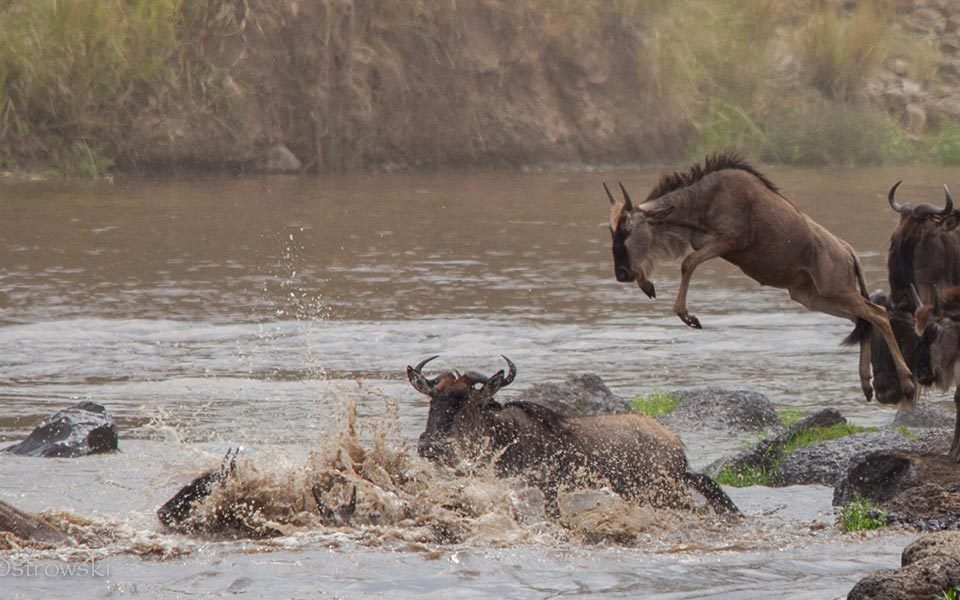
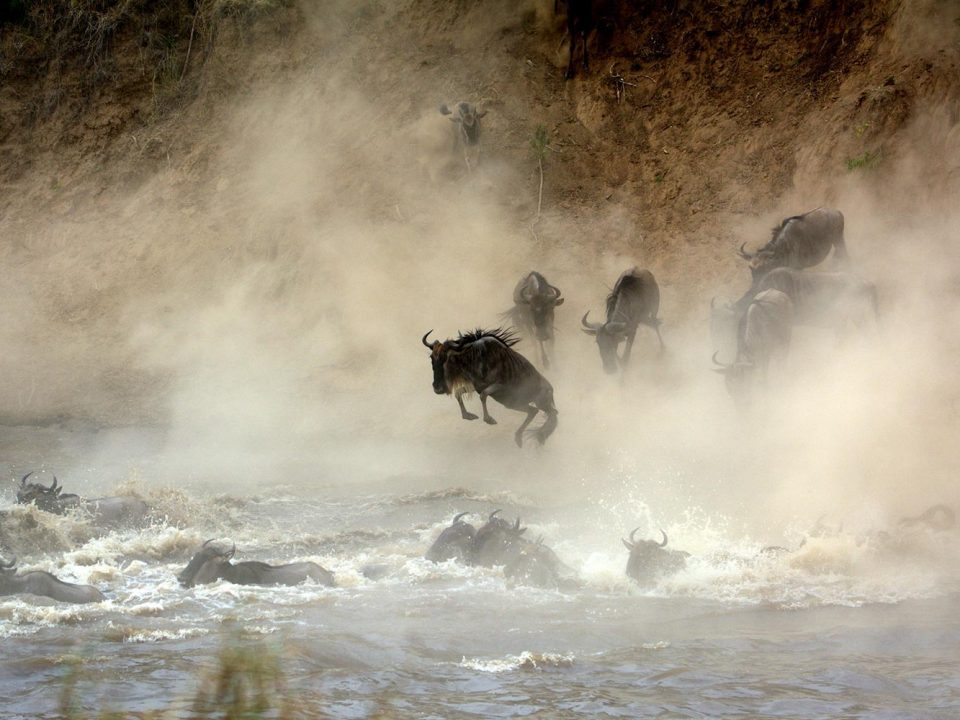
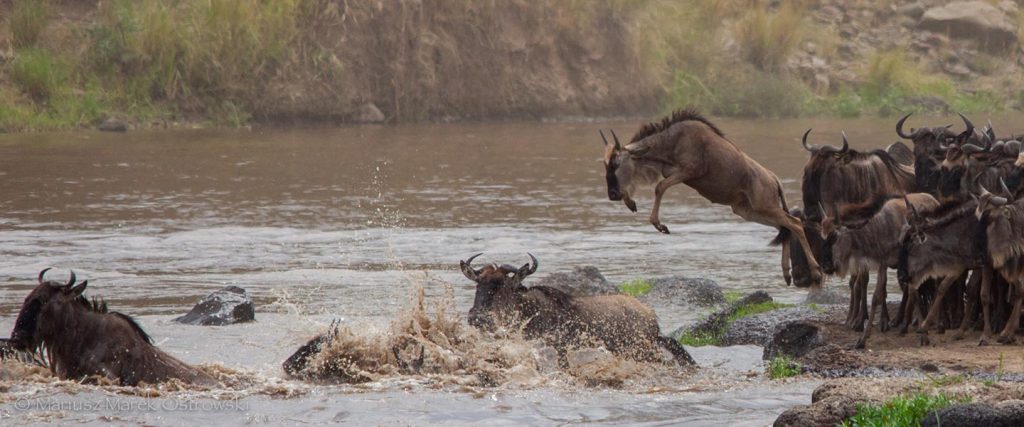
The Mara River Challenge: Among the devices held against the animals on their journey is the most dramatic moment of the Maasai Mara migration when the Crossing of the Mara River takes place. The wildebeests cannot help but enter these land-hungry scary waters where we find the meanest kind of waiting for them crocodiles. Such is an act of ecological desperation the risk of being drowned or eaten by a crocodile is still less than that of dying of starvation which they are sure to face in the overgrazed parts of the plot. The crossing’s timing is normally jittery and depends on local conditions like rainfall and water level and the voluntary ‘decision’ of leading herds.
Conservation Boundaries: National parks and other conservation areas bound the migration that is giving the animals safe corridors away from human settlements. They depend on the continuation of this protection not only on the vast open spaces of the Serengeti but also of the Maasai Mara to be able to live by their ecological instincts undisturbed. In the absence of these parks, the cyclical movement that is necessary for the survival and genetic health of the animals would be a thing of the past.