Masai Mara National Reserve vs Conservancies-where to see the migration best.

Maasai Mara ecosystem in Kenya is famously recognized for being the host of the final, most dramatic phase of the Great Wildebeest Migration each year, normally between July and October. However, one of the crucial questions that arise when planning for a safari is whether to stay in the more advertisement and tourist-packed central Masai Mara National Reserve (MMNR) or to enjoy a peaceful and luxurious time in some of the adjoining Private Conservancies. Even if both have the potential to give them astounding wildlife encounters, differences in elements such as crowd control, safari activities, and the migration’s core events’ proximity can significantly affect the visitor’s experience quality. To be able to get the best safari experience while witnessing this natural spectacle, it is wise to get to know these differences first.
1.The Masai Mara National Reserve (MMNR): Volume and Visibility
MMNR is the very core of the ecosystem. It has the largest portion of the river frontage, and it is the area that attracts the biggest number of animals and tourists.
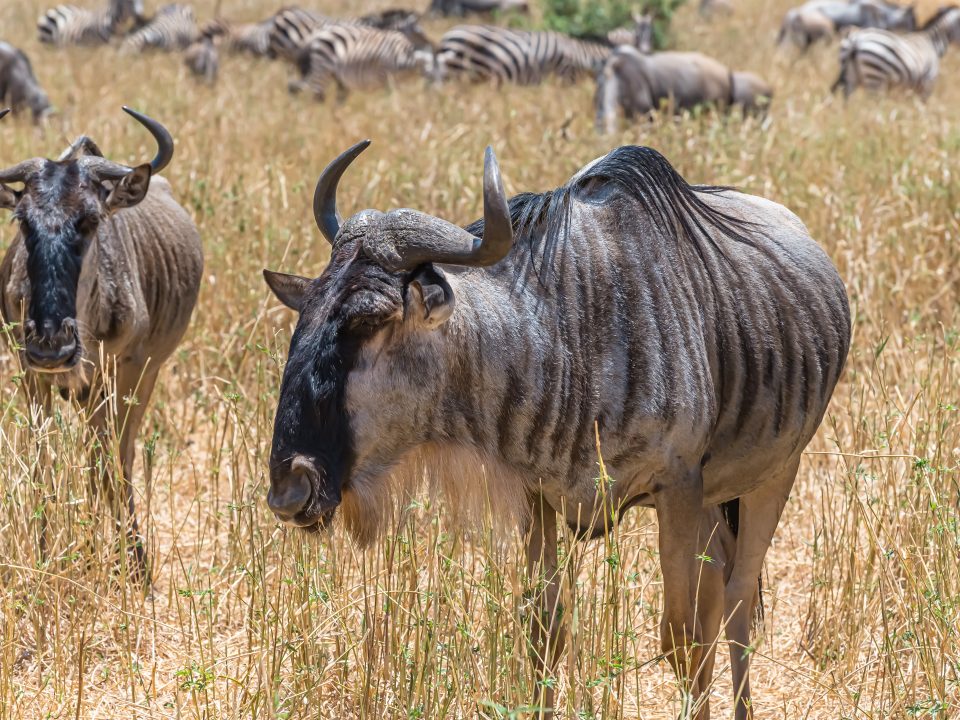
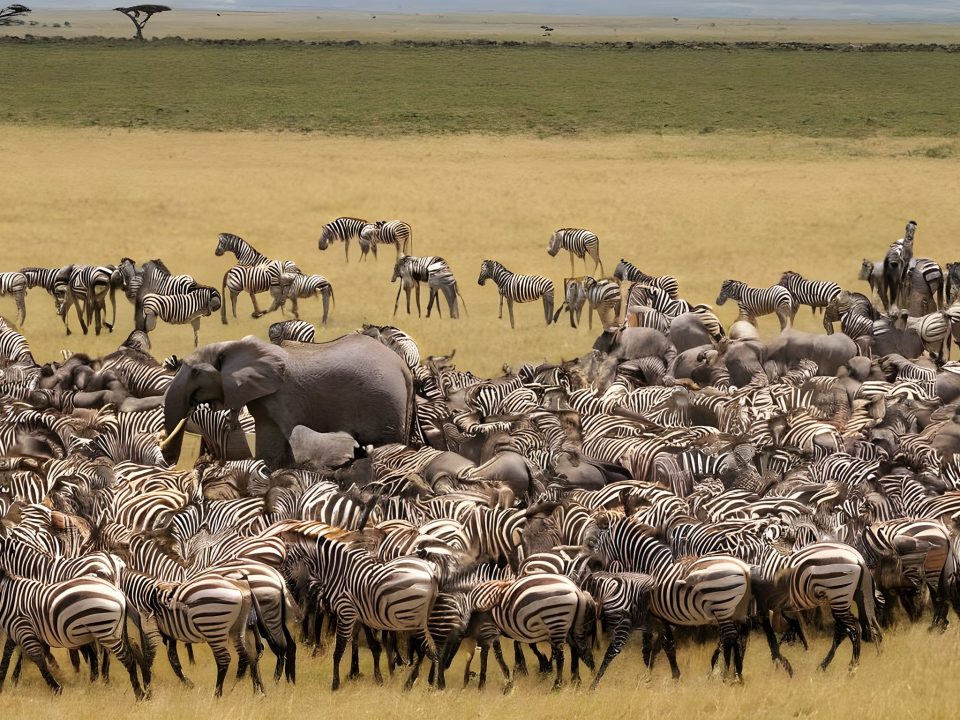
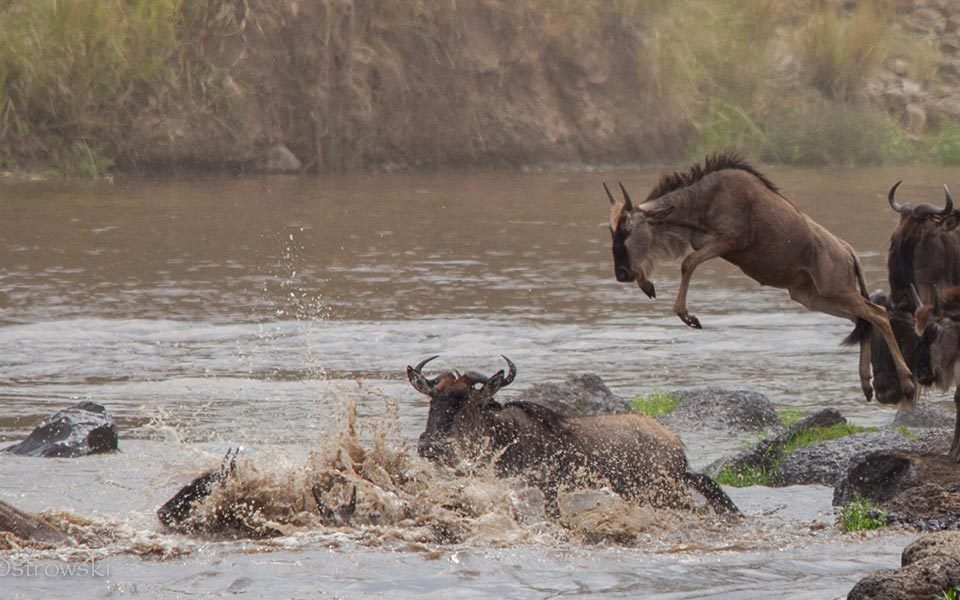
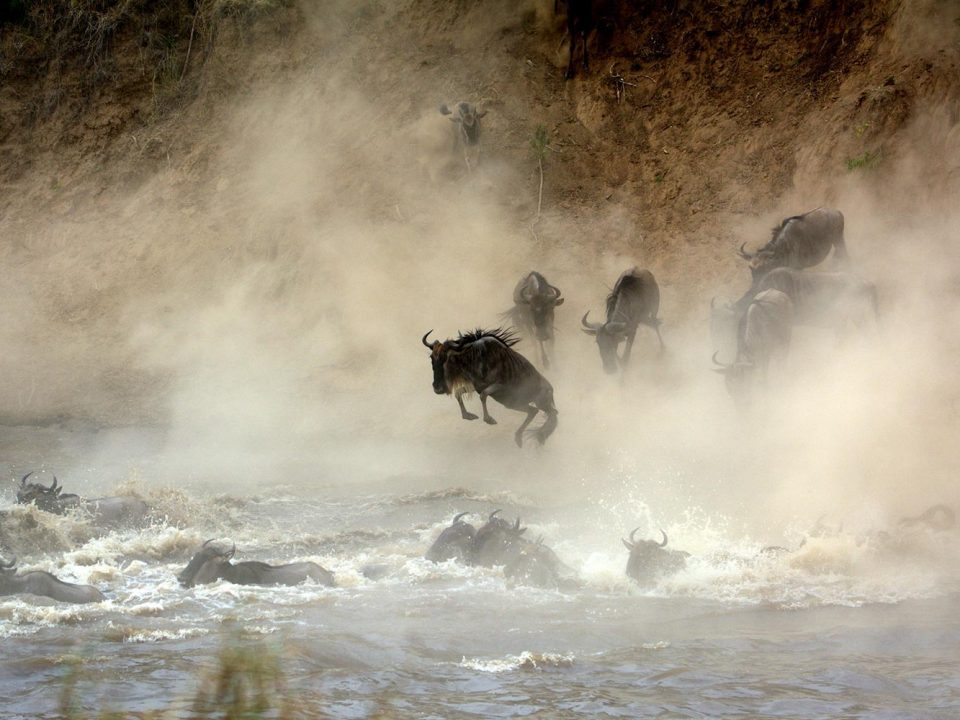
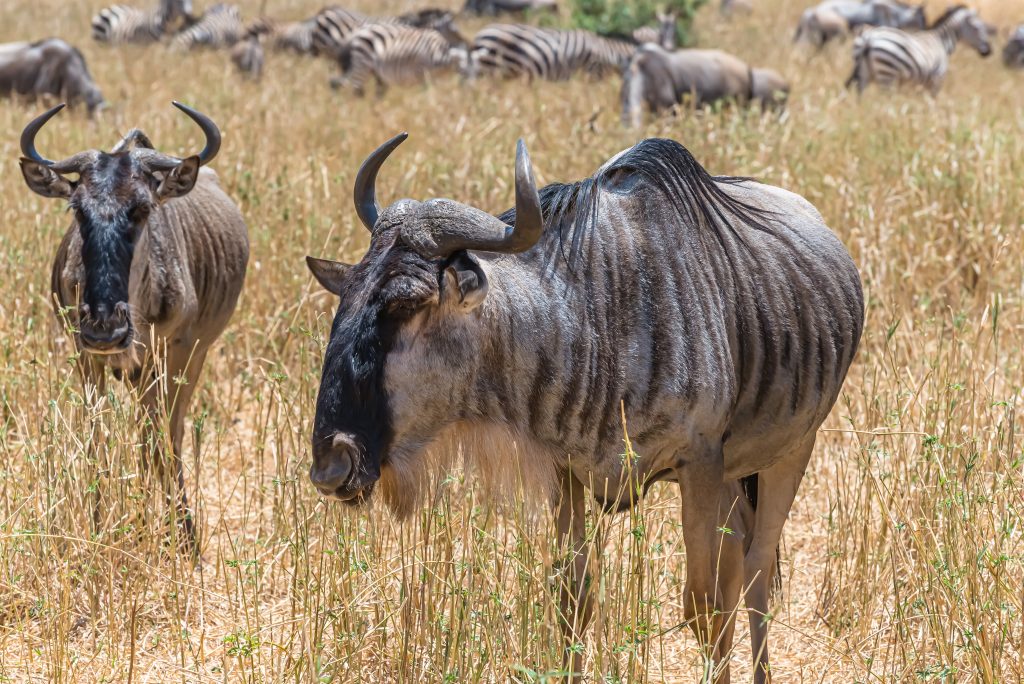
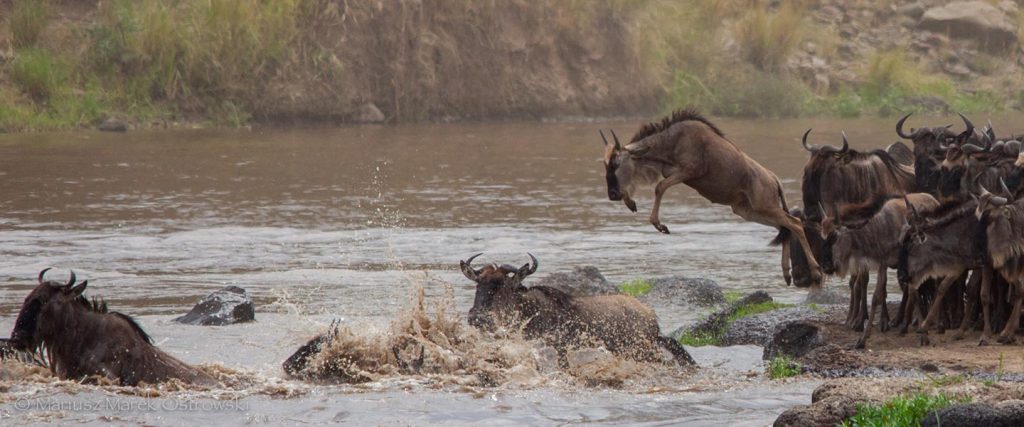
Location and Migration Focus: The MMNR is basically the compound where the grand performance takes place. It extends to the banks of the legendary Mara River, the place of dramatic and life-threatening river crossings. When the herds are in Kenya, they mostly graze on the open, central plains of the Reserve, thus any tourist is assured of seeing huge herds. In case you intend to witness a river crossing – which is the most high-risk moment of the Migration – your best chance will be if you are anywhere along the Mara River inside the reserve.
Crowded control and Vehicle Density: The main problem with the Reserve is that it is a public park. Consequently, all the camps and lodges from both inside and outside the reserve areas depend on MMNR for their game viewing. In the peak migration months (August to October), the number of vehicles can become too much, especially if there is a major lion sighting or a crossing. Though the view is breathtaking, you may be required to cherish the same scene as many as dozens of other vehicles. The regulations are also more rigorous: vehicles should remain on marked roads, and off-road driving is forbidden, which means that photographers can have fewer options for their shots.
Price and Activities: Entrance to MMNR is not optional, thus this fee shall be added to the price of any safari that you may have even if you decide to stay a night outside. Generally speaking, the activities that take place here are limited to normal game drives in the day and the legendary Mara River crossings. On the other hand, conservancy activities covered like walking safaris and night drives are mostly not allowed.
2. The Private Conservancies: Exclusivity and Flexibility.
Conservancies are local community-owned lands leased to private safari operators and exclusively managed by them. The conservancies bordering MMNR include the Mara North, Olare Motorogi, and Naboisho.
Less Vehicle Density and Exclusivity: Without a doubt, this is where the Conservancy wins the argument. Visitor’s numbers are heavily limited by not only the number of camps but also the number of vehicles per square kilometer. By doing this, the whole idea of having a private, exclusive safari experience becomes realistic. Getting a pristine lion sighting all to yourself is a regular feature and is something that is hardly observed in the MMNR at the peak season. Apart from this, it means that you will have a chance to take better photographs, you will not get tired, and you will have a stronger feeling of being in the wilderness.
Safari Flexibility (Off-Road and Night Drives): Due to their private ownership, conservancies have more freedom to allow various activities which are not permitted in the main Reserve. Guides are given the liberty to go off the road to get a better view of a sighting, which is extremely important for photography and obtaining the best experience of a particular animal group. In addition, night game drives and guided walking safaris are usually allowed. These activities provide a totally different view of the ecosystem, thus enabling visitors to look for nocturnal animals and experience the savanna on foot.

Migration Viewing (Guaranteed Quality, Not Location): The Migration keeps on moving between the Reserve and the Conservancies. The moment the herds are in the Conservancies, the viewing is absolutely stunning with little crowd. However, the presence of the dramatic river crossings is usually absent in the Conservancies. If you plan to make the witnessing of a crossing the highlight of your trip, then that will still require you to drive into the MMNR. The Conservancies are the best places to have the overall quality of your safari and to have the best chance of spotting big cats without the crowd, but they won’t be able to guarantee that the huge herds will be at a particular spot every day.
3. Conclusion: Which is Best for the Migration?
The final point is that your choice between the MMNR and the Conservancies will be guided by the main point of your trip:
If Your Focus is the Spectacle of the River Crossing (The Drama): Then your best bet is to be in the MMNR or at a camp right next to the Mara River. By doing this, you increase your chances of getting to a crossing site very fast, though you should anticipate a fairly crowded viewing experience.
For Exclusive Wildlife Viewing and Quality Safari (The Experience): Then you should opt for a Private Conservancy. In this way, you are basically giving up the guaranteed closeness of the crossings in exchange for a much better quality of safari which includes off-road access, fewer vehicles, and a bigger range of activities such as walking safaris.
In conclusion; the highly recommended by Adyeri Travel Limited, the best option is a split stay whereby you spend 2–3 nights in a Conservancy enjoying the exclusive, high-quality big cat viewing and the flexibility of activities, then move to a camp inside the MMNR for another 2–3 nights focusing solely on the Mara River crossings. This dual-location tactic is what ensures the ultimate and most comprehensive Maasai Mara experience.