How climate change affects the Masai Mara Migration.

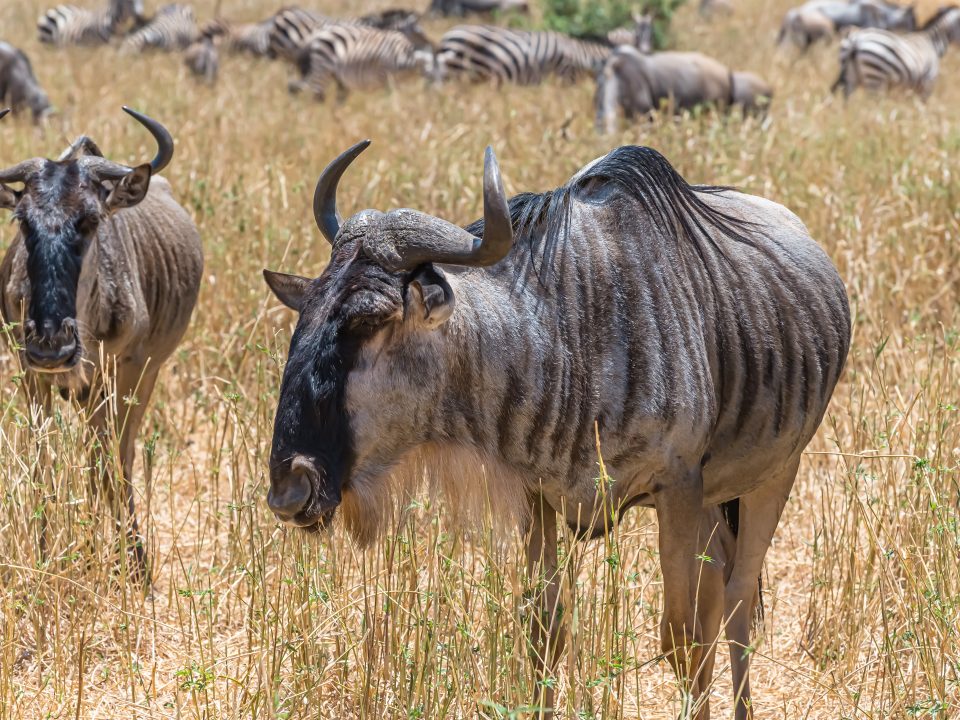
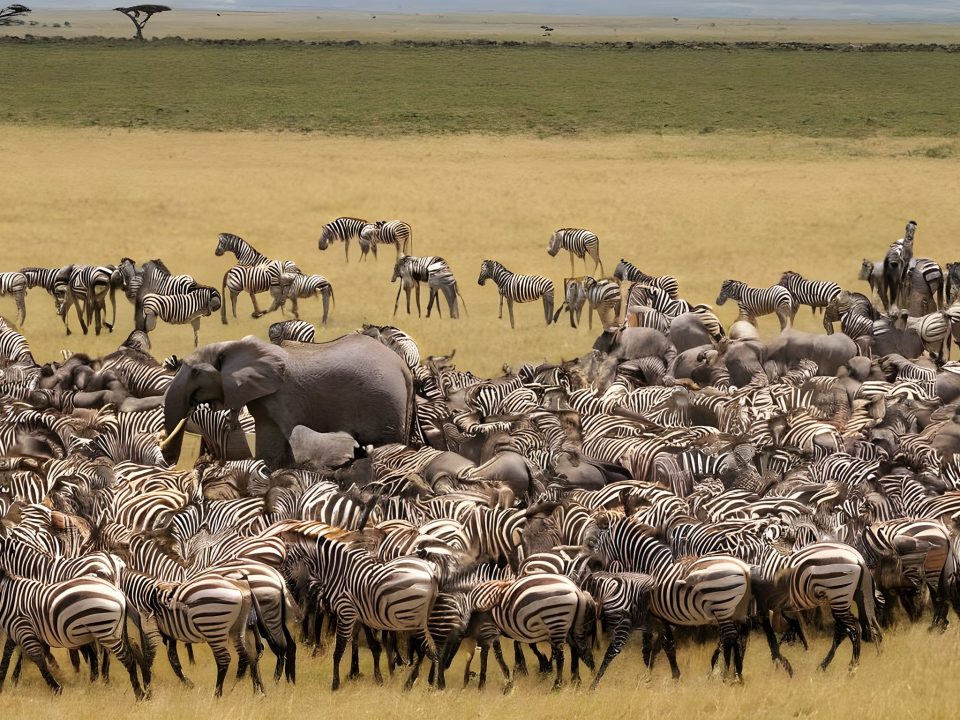
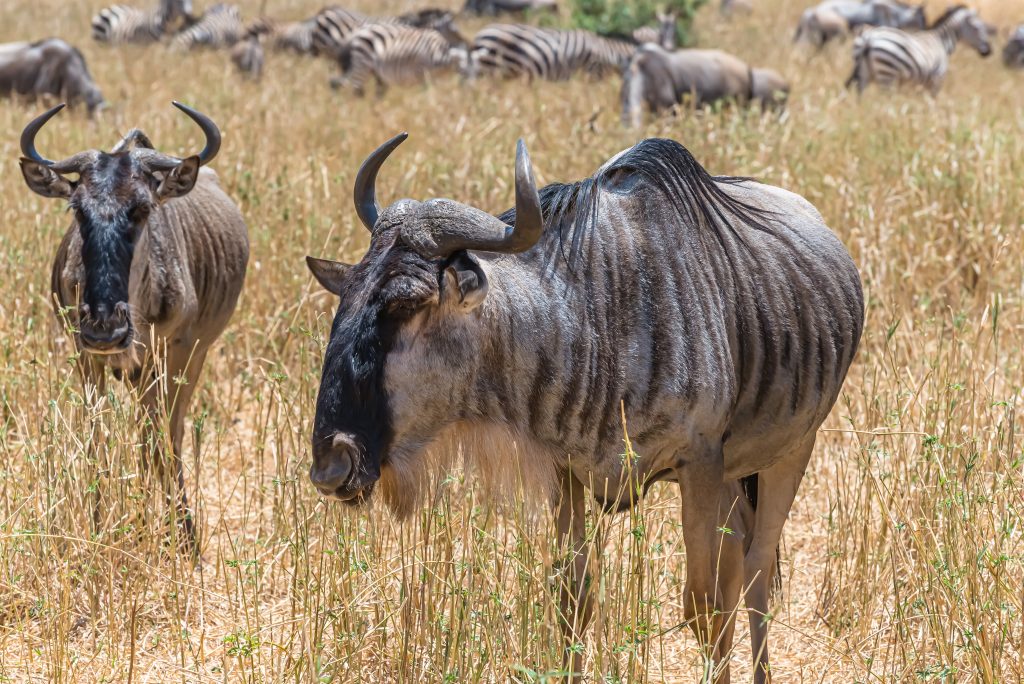
The Great Wildebeest Migration, which involves almost two million animals moving annually from Tanzania’s Serengeti to Kenya’s Maasai Mara, remains one of the world’s most amazing natural phenomena. The massive-size movement is directed by one principal phenomenon that is the rainfall. The animals simply obey the rules of nature moving to wherever the rains go to feed on the grasses that grow as a result of rains. In modern times, however, this reliable and ancient cycle is suffering from climate change, which is introducing an unthinkable quarrel and, depletion into the fragile savanna ecosystem. Now, the regular and trustworthy rhythm of the migration is no longer reliable; it has become a matter of unpredictability both for the locals and the nature activists who used to depend on it. The problem, which is everywhere, goes beyond the size of the herds or the time of the world-famous river crossings due to the effect of the nutrition.
1. Destabilizing Rainfall Patterns and Timing.
The migration is based upon the good predictions of two rainy seasons; the short rain period (approximately in November/December) leads them to the southern part where there are calving grounds and the long rains (March/April) support the northern route towards the Mara. This schedule has been violated by the forces of the climate. The new routine consists of both the very long dry spells and the quick and very heavy rainfalls. One thing that is sure is the extended dry spells happening alongside persistent, strong winds rope and undermine the possibility of any launch of the program. These herds whose movement is clear even in the dark would probably just sit and feed off the grasses that are already dead. The droughts mean the critical short-rain period can fail entirely, forcing the herds to delay their movement or remain longer in areas where grazing has already ended. This ‘calendar confusion’ means the herds may arrive in the Mara much earlier or much later than their traditional July-to-October period. For tourism, this makes planning incredibly difficult, as the spectacle can suddenly shift; for the herds, it is a life-or-death scenario, as they may miss the window for optimal grazing, leading to widespread malnutrition and starvation.

2. Altered Grassland Composition and Nutritional Value.
It’s not the mere timing of the rainfall; it’s also the health and the quality of the grass the animals feed on. In the Serengeti-Mara ecosystem, certain grass species dominate which are rich in proteins, the same that mothers feed on to protect themselves and meet the energy needed for this migration. An abrupt change in the rain regime, dominated by less rainfall, can also change the species type of grass. These critical grasses will then definitely experience a decrease in 3240 protein content and will be replaced by those species with average feeds which are less preferred. The livelihood of the animals will be negatively impacted in several ways. It also weakens the mothers, who are incapable of producing enough milk for their young, and the whole herd, as they lose their condition and power. This is especially dangerous during the calving season in the southern Serengeti, where poor grass quality directly threatens the survival rate of newborn wildebeest, undermining the reproductive success of the entire migratory population and stressing the whole ecosystem.
3. Increased Water Scarcity and River Crossing Risks.
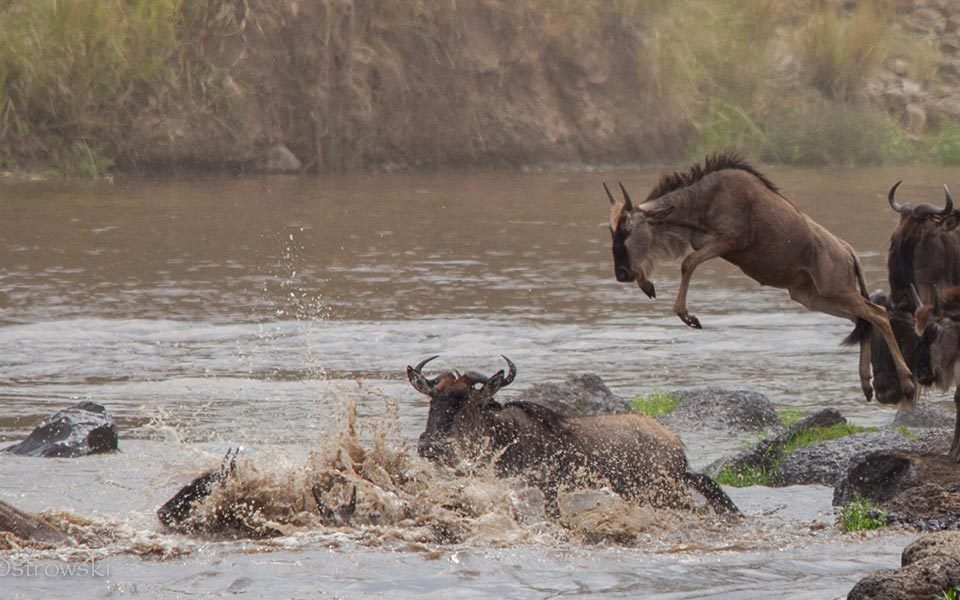
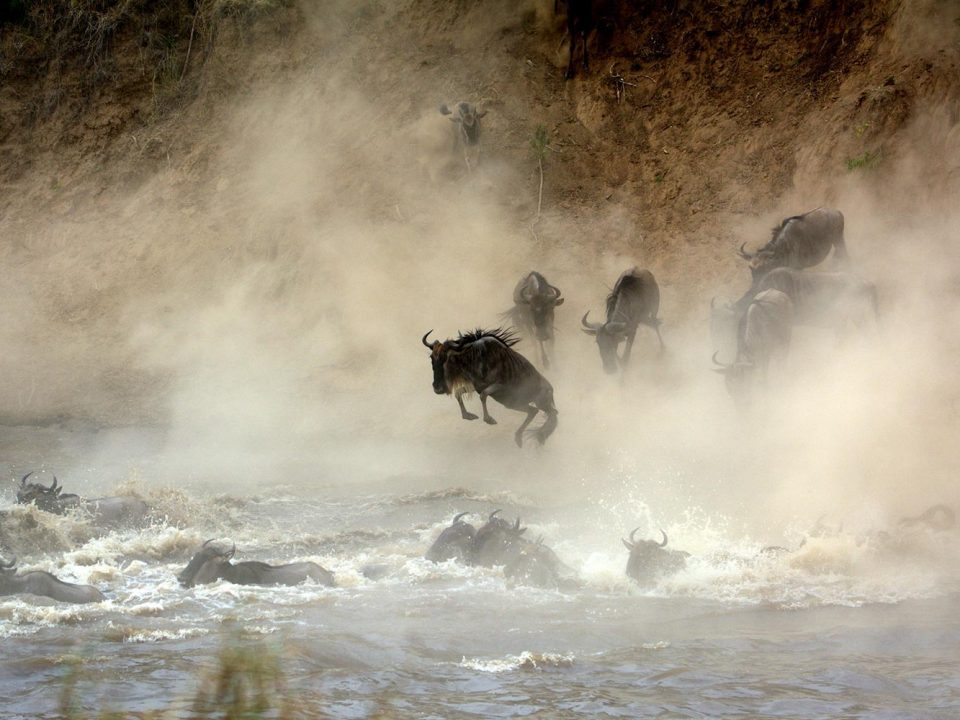
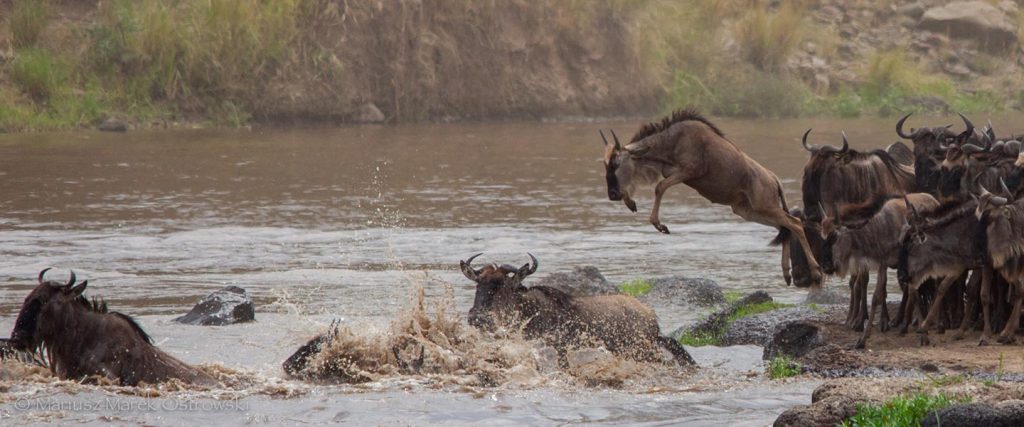
The Mara River has long been known for its dangerous waters, but global climate change has made it a health hazard in two ways. First, the higher average temperature in the world results in increasing evaporation and consequently decreased water levels in rivers and watering holes during the dry season. Herds of animals are then left with no other option but to collect around a small number of heavily utilized, hence, overgrazed, water sources, and this practice leads to the establishment of an unhealthy and vulnerable atmosphere there, reducing the general number of animals. Secondly, the rains these days do not merely come but as destructive downpours and, moreover, in much more often numbers. The sudden high-intensity downpour can quickly convert a river dry to a flood, instantly increasing the risk of crushing death while crossing the river. The unexpected surge of the river could result in the disappearance of hundreds of animals, a clear indication of how the change from regular cycles to extreme weather occurrences is a major cause of the Mara River becoming a very unpredictable and dangerous passage and even more so than before.
4. Compounding Health Issues and Predation Pressure.
The ecological issues produced by climate change have a massive impact on the health of the animals. The immune system of the wildebeests that is affected by the extreme weather conditions and malnutrition makes the animals more susceptible to the contagious diseases. The increasing temperature also leads to the expansion of vectors like ticks which have a broad range and can easily carry diseases thus, among the heavily populated animals, disease risks are further increased. This also opens up new and more comfortable opportunities for the predators. Starving, burning, and malnutrition are the reasons why the wildebeest are much easier prey for lions, hyenas, and cheetahs. Even though predation is a natural activity in the cycle, prey that is overly weak can become the cause of a large number of unnatural deaths. In this way, the natural cycle between the prey and the predators will be out of balance, so, they will put an additional burden on the remaining healthy populations. Basically, at the same moment, it’s the climate change that shifts the route of the migration and in essence the climate crisis that undermines the ability of animals to do the migration and thus the journey.
For more information about the Masai Mara migration safari, or combined migration safari with Serengeti National park do not hesitate to contact us at Adyeri Tarvel Limited or making an inquiry and our tour experts will be ready and then available to help you in preparing and planning your safari with all your choices and preferences that will offer you unforgettable safari memories.