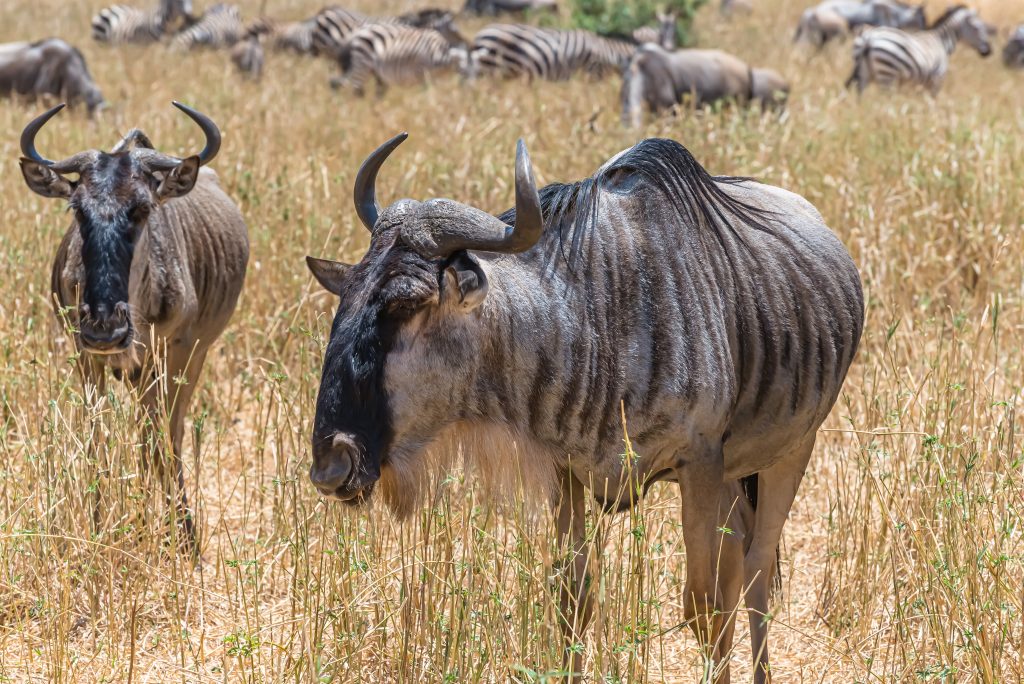
The circle of life: Birth, Survival and death during the great Migration.

The Great Wildebeest Migration is typically referred to as one big, loud rush, which is mostly about the wild impression of river crossings. However, the yearly migration of two million animals through the Serengeti and Maasai Mara is essentially a massive life cycle saga, the very cycle that sustains the whole ecosystem. The migration, from the mass birth to the final kill, is a never-ceasing struggle of the creatures for their instincts, stamina, and luck. One has to understand this “Circle of Life” to be able to grasp the enormous scale and the deep meaning of Africa’s greatest wildlife show. The excursion is not just about moving; it is about the fight for survival.
1. Birth: The Miracle of Mass Calving
The circle’s start is actually not on the move but in a place with no doubt: the short-grass plains of the Southern Serengeti, most probably between January and March. It is the Birth Stage when the migration comes together and, for the annual mass calving event, slows down.
In a time span of only two or three weeks, just about one million wildebeest calves are born, and quite often these births happen one after another, within minutes of each other.
Synchronized birthing strategy is nature’s smart way of protecting itself.
Although the presence of so many defenseless newborns attract every predator in the ecosystem, the overall number ensures that no single predator can eat more than a very small portion of the young. “Safety in numbers” is a situation that totally saturates the market and thus limits the killing ability of lions, cheetahs, and hyenas. But the newborn’s immediate challenge is huge: within a few minutes of birth, and it has to be able to move, following its mother, as the herd will not wait. A calf that falters or is slow in coming is at once totally exposed and so it faces the first and most dangerous occurrence in the wild, namely survival.

2. Survival: The Relentless Search for Sustenance.
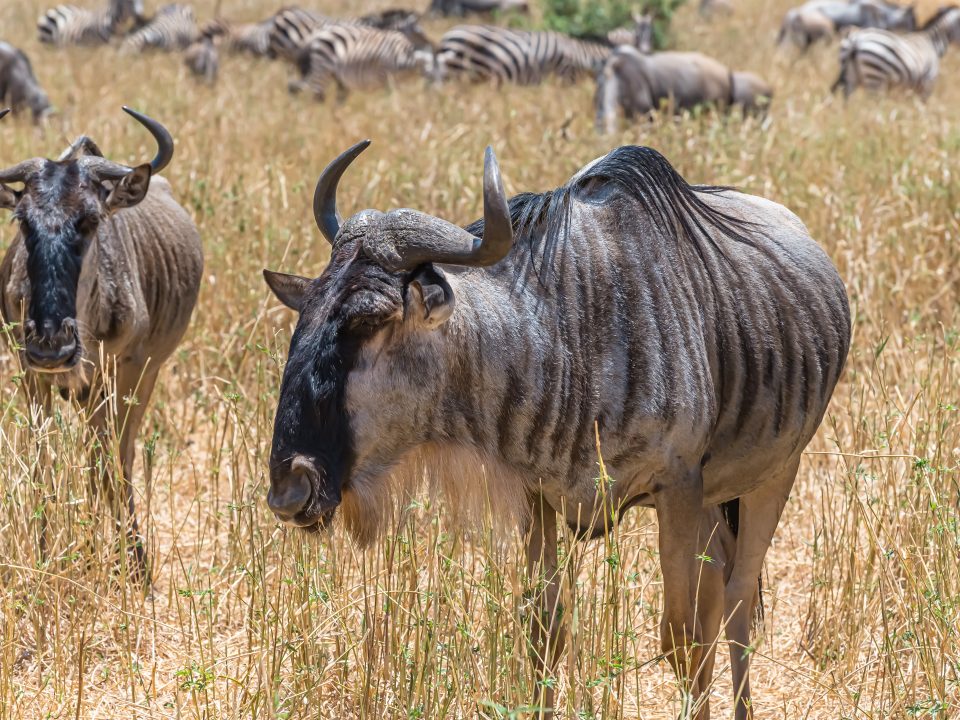
After the calving, the enormous herds get revitalized and they set out on their long, difficult march north and west. This is the Survival Phase, in which animals are only led by their need of fresh, nutrient-rich grazing. The journey is in itself a proof of the wildebeest’s incredible stamina.
Following the Rains: The riddle of how the herd manages to stay alive is solved by the ancients and it is stored in their genetics: the knowledge of the rain cycles. Their movements correspond to the rain cycle and local storms, as they are always in need of the fresh grasses that grow after the rain. One healthy wildebeest, on average, eats more than ten pounds of grass per day. Therefore, the herd must always and without exception be on the move to escape or overgrazing or starvation. Any interference in the seasonal rains an outcome of the present climate change can result in famine and so the herds will be driven to such a plight where the lack of food will be as fatal as the presence of a predator. Most of the days during their march, which sometimes is over a number of miles, the animals have to do the hard work of continually searching for food, while at the same time trying to conserve energy, which is the very rhythm that life has had for these ten months.
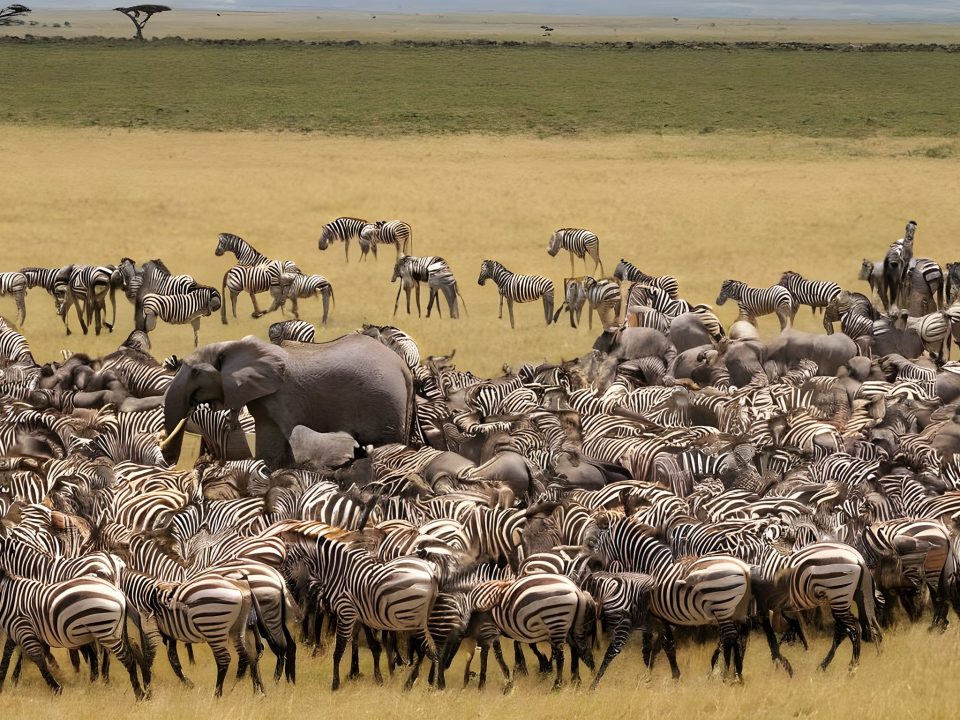
Predator Pressure: Another factor contributing to the survival of the herds is their constant vigilance. Hyenas, lions, cheetahs, and leopards, the largest concentration of predators on Earth, are the ones pursuing the herds continuously. Moving as a group that’s one of the survival tactics for the herds whereby an individual’s best defense is to be surrounded by thousands of others. This communal protection of the group compels the predators to use their maximum energy to lure and kill a victim from the group. The migration’s success demonstrates that the collective instinct to escape danger is stronger than the individual instinct to stop thus the circle of survival is kept in motion.
3. Death: The Sacrifice at the River Crossings
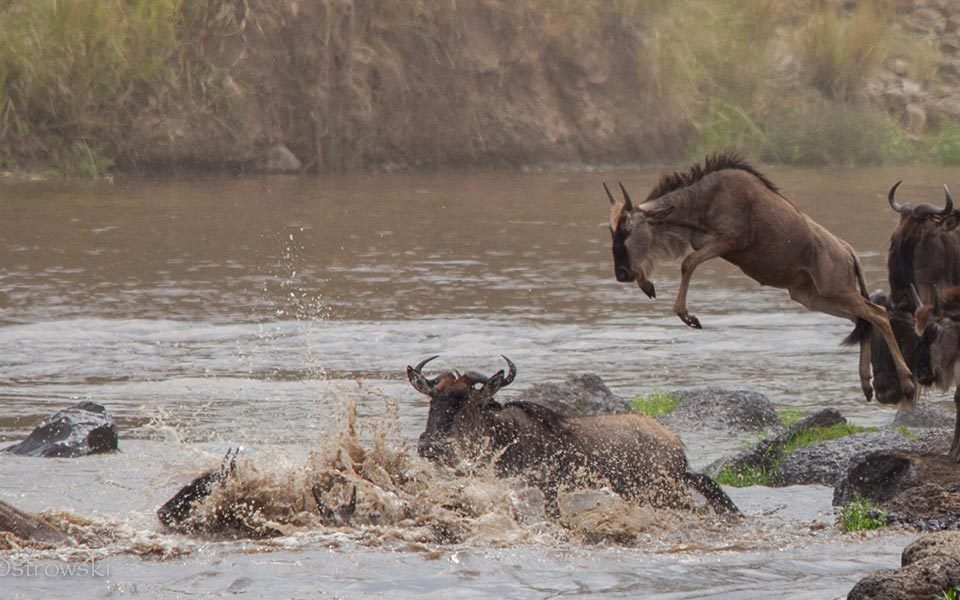
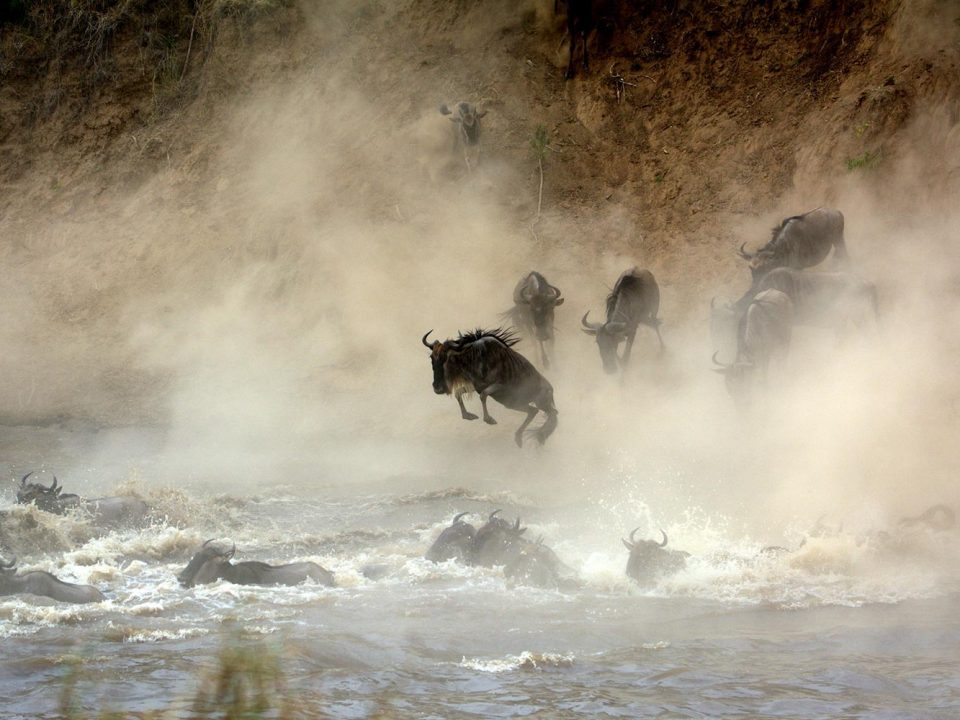
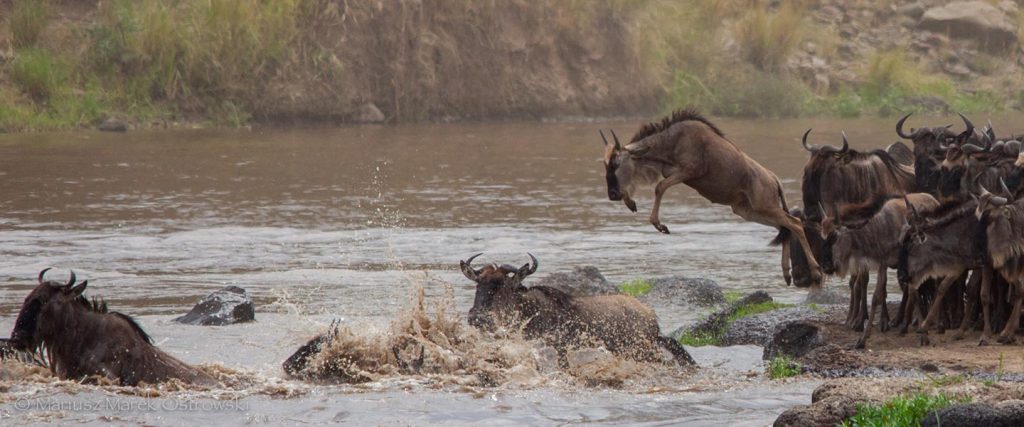
The circle’s inevitable part is Death, the greatest drama of which the photographers capture in their images during high-stakes river crossings. Death tests of a very extreme nature which take place in the Grumeti and most of all the Mara River, where predation and nature’s forces join together.
The River Gauntlet: As a river-cutting sacrifice, crossings are necessary. The wildebeest, stirred by instinct and thirst, dive into the crocodile-infested, turbulent water. There are several deadly facets to Death here: some animals die of suffocation as they are trampled underfoot in the panic of the herd; others are taken away by the water that is both strong and unyielding; others are attacked by the powerful Nile crocodiles, who have been patiently waiting for months. The losses can be very severe and at times, the number of dead accounts to a few hundred single events
Ecological Necessity: This death is tragic, but it is not a waste. The corpses that go down the river serve as food for the fish and the crocodiles, thus allowing the sustenance of other species. The carcasses scattered along the shores become a feast for scavengers such as hyenas, jackals, and vultures. This natural cleansing process recycles a huge amount of organic material into the soil and the water, which at the same time demonstrates the very sacrifice that keeps the whole ecosystem alive. Life is given meaning because there is a need for sacrifice. This death of some individuals is a prerequisite for the survival of the overall herd, which, after completing the journey and finding new grazing areas, will lay the foundation for the next calving and therefore the circle of life will have started once again. For more information about knowing about the circle of life: Birth, Survival and death during the great Migration or about Serengeti national park migration safari and Maasai Mara Migration safari do not hesitate contacting us or making your safari inquiry at Adyeri Travel Limited and your safari dream will become a reality.