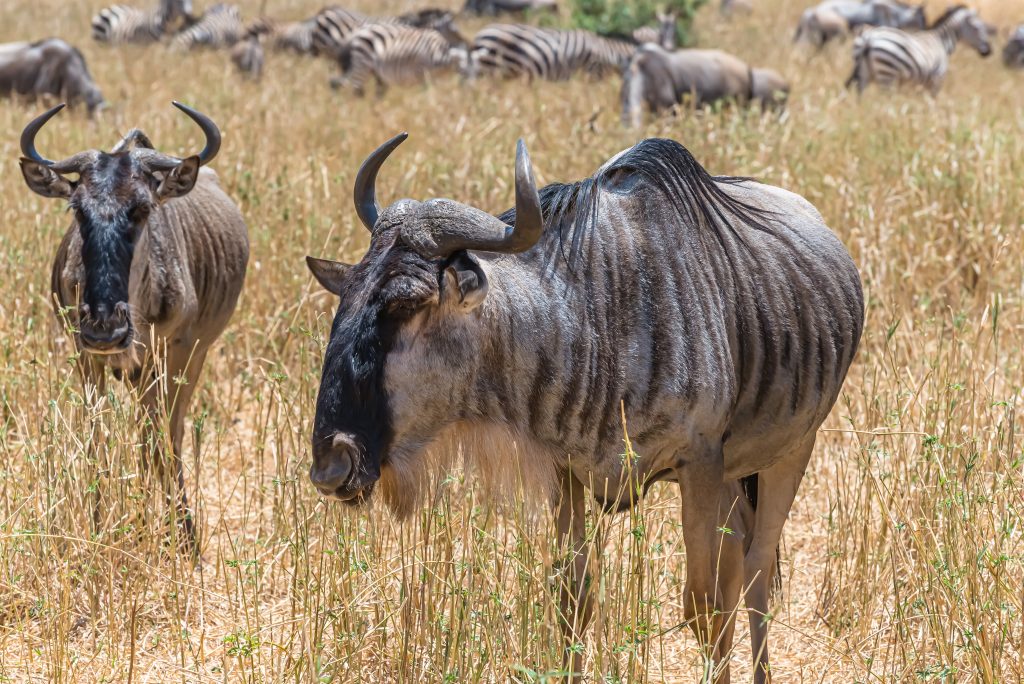
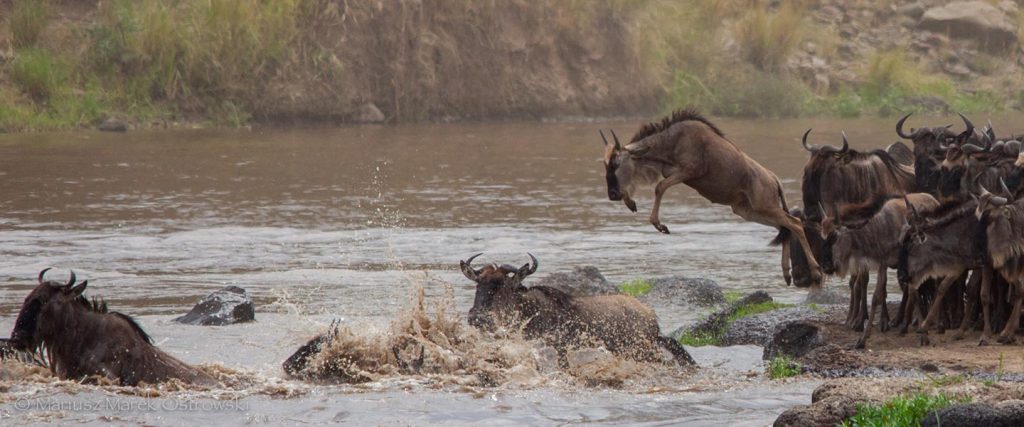
The annual migration; a natural wonderful wonder unfolding in real-time.

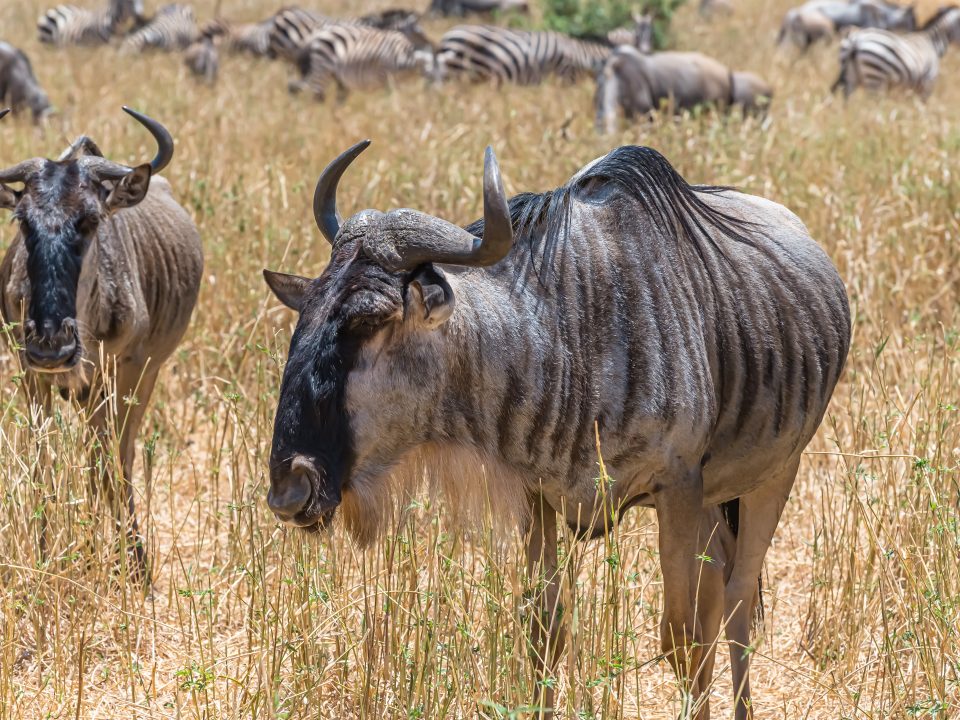
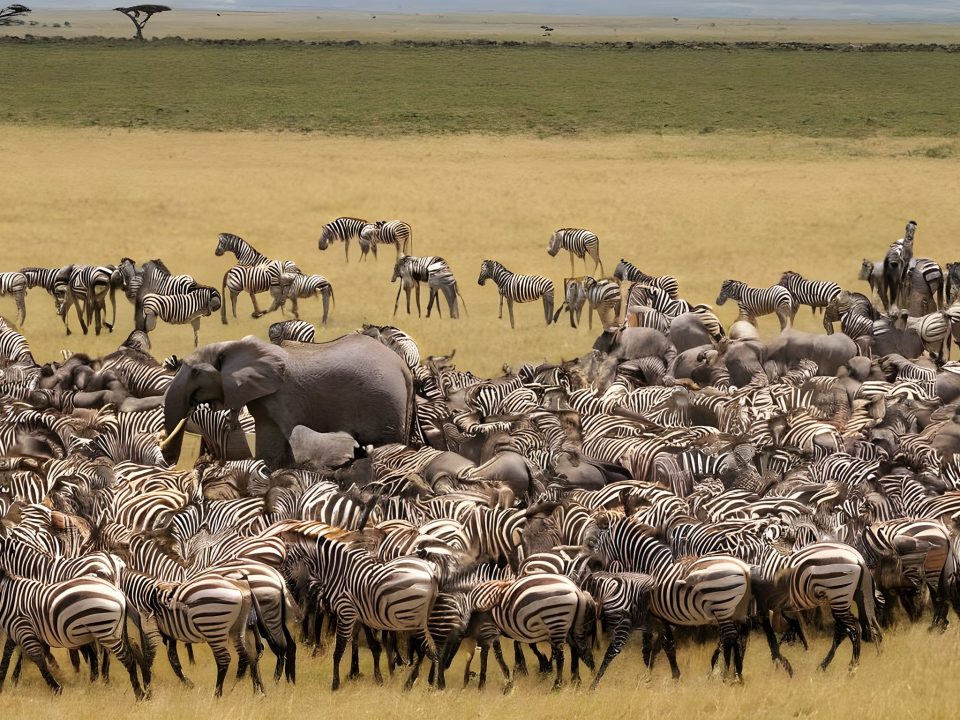
The annual migration is the great and one of the Africa’s most stunning breathtaking wildlife spectacles, unfolds annually in Kenya’s Maasai Mara National Reserve and Tanzania’s Serengeti National Park. Between July and October, over 1.5 million wildebeests, 200,000 zebras, and 500,000 Thomson’s gazelles migrate in a circular pattern spanning 1,200 miles, seeking greener pastures and water. Driven by rainfall patterns, the herds move from the Serengeti’s southern plains to the Maasai Mara’s lush grasslands, crossing rivers and traversing predator-dense territories, making for thrilling game viewing and photography opportunities. This natural wonder is a testament to the enduring cycle of life in the African wilderness.
The annual great migration takes place in the renowned wildlife reserve of East Africa, specifically in Tanzania’s Serengeti National Park and Kenya’s Maasai Mara National Reserve. The migration occurs in a circular pattern, beginning in the southern plains to the Serengeti, moving northwards through the park, and then crossing into the Maasai Mara in Kenya, before returning to the Serengeti through the Western and southern routes.
The annual great migration takes place due to the seasonal search for the food, water and the breeding grounds by the wildebeests, zebras and the gazelles. Driven by the rainfall patterns, the herds move in a circular pattern to find greener pastures and water sources, as the grasslands in the Serengeti and Maasai experience a cycle of growth and drying. The migration is also influenced by the wildebeests’ instinct to reach their calving grounds in the southern Serengeti, where they give birth to their young, and then move northwards to the Maasai Mara to exploit the lush grasses and abundant water, before returning to the Serengeti to start the cycle again.

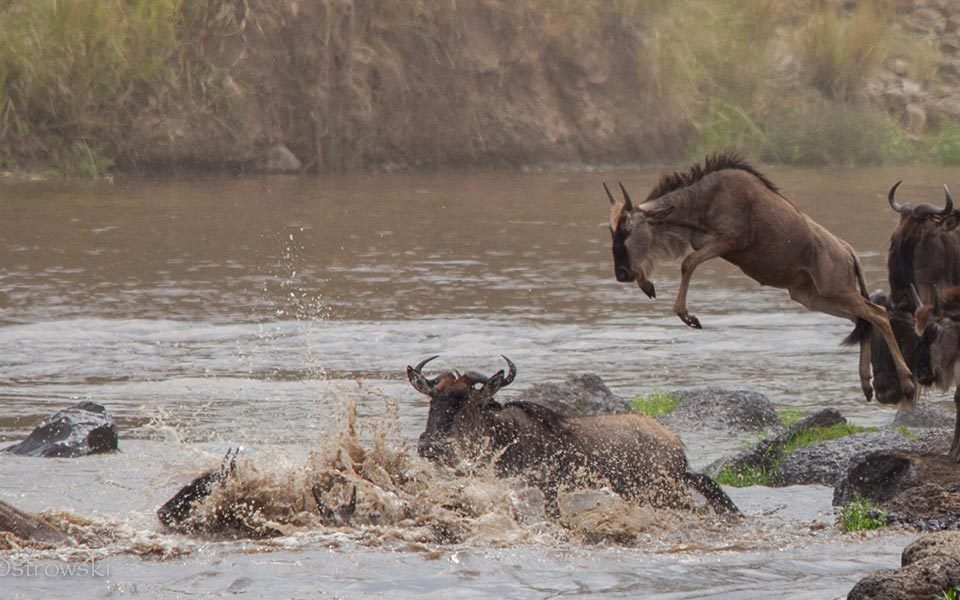
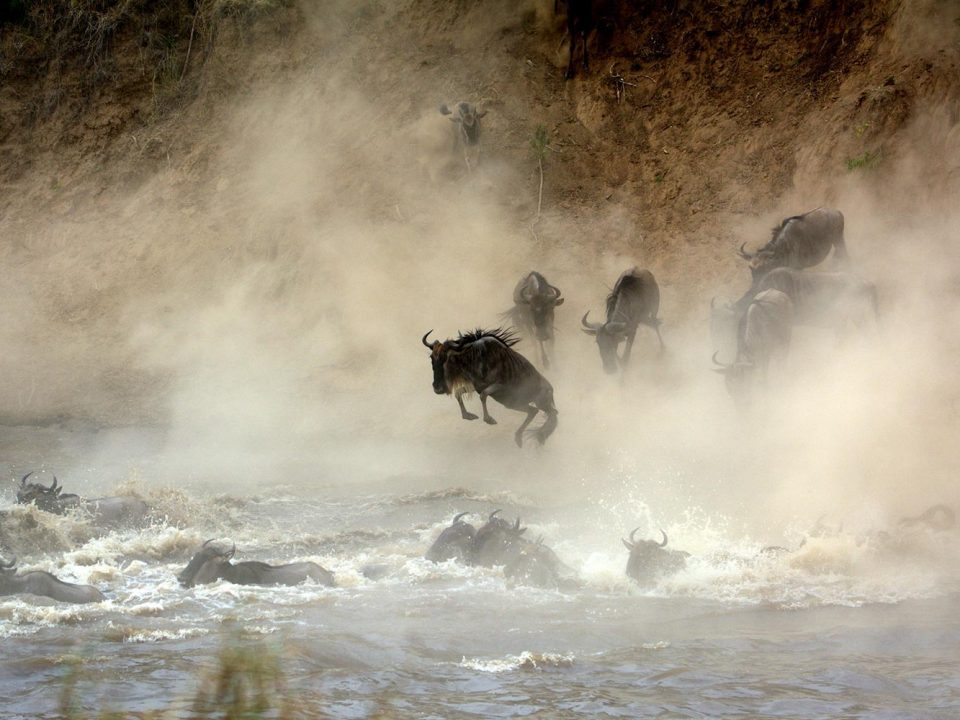
The actual movement of the annual migration is a dynamic and fluid process, with the herds moving in a general northward direction from the southern Serengeti’s short grass plains to the Maasai Mara’s lush grasslands. The wildebeests, zebras and gazelles move in the large columns, often splitting into smaller groups and rejoining, as they transverse through the landscape. They cross rivers, such as the Mara River and the Grumeti River, and then navigate through predator-rich territories with the herds’ movements influenced by the factors like food availability, water sources and then predator avoidance. The pace of the migration varies, with the moving slowly and grazing en route and then rapidly converging on areas with abundant food and water, creating spectacular river crossings and then the concentrated gatherings.
To watch the annual great migration, plan your safari to the Serengeti or Maasai Mara during the peak season migration months (July to October). Choose a guided tour or safari with the experienced guides and drives from Adyeri Travel Limited who know the best viewing spots in the both safari destinations. You can opt early morning or the late afternoon game drive when the wildlife is most active. Position yourself near the river crossings, such as the Mara River, for the dramatic views of the herds braving the waters. Be patient and prepared for the long days, as the migration can be unpredictable. Consider staying in the mobile camps or lodges that track the migration, walking safaris, guided game drives, and take advantage of the hot air balloon rides or the scenic flights for the bird’s eye view of the spectacle. Respect the wildlife and follow park rules to ensure a safe and enjoyable safari experience.
What to pack for the annual migration.
When packing for the annual great migration, consider the rugged terrain unpredictable weather and safari-style adventure. Essential items including the comfortable and sturdy clothing such as khaki or neutral colour pants and shirts, as well as a waterproof jacket and warm layers for the cooler mornings and evenings. Don not forget the binoculars, a camera with good zoom lens and a charger for capturing stunning moments. Pack sunscreen, a hat and sunglasses for sun protection, and sturdy boots or shoes for the walking safari. Additionally bring insect repellent, a water bottle and a backpack or day back for carrying essentials during the game drives. Finally include any personal medications, a first-aid kit, and a portable power bank to stay connected.
The annual great migration is a wonderful experience that culminates in a testament to the enduring cycle of life in the African wilderness. As the herds complete their circular journey they leave behind a trail of new life, with thousands of calves born during the migration, ensuring the continuation of this incredible phenomenon. The migration’s final statements is one of resilience, adaptability and the unbreakable bond between the land, the wildlife and the ancient rhythms of nature, reminding us the awe-inspiring beauty and stunning of the nature world.