Birdwatching in Masai Mara During the Migration Season.

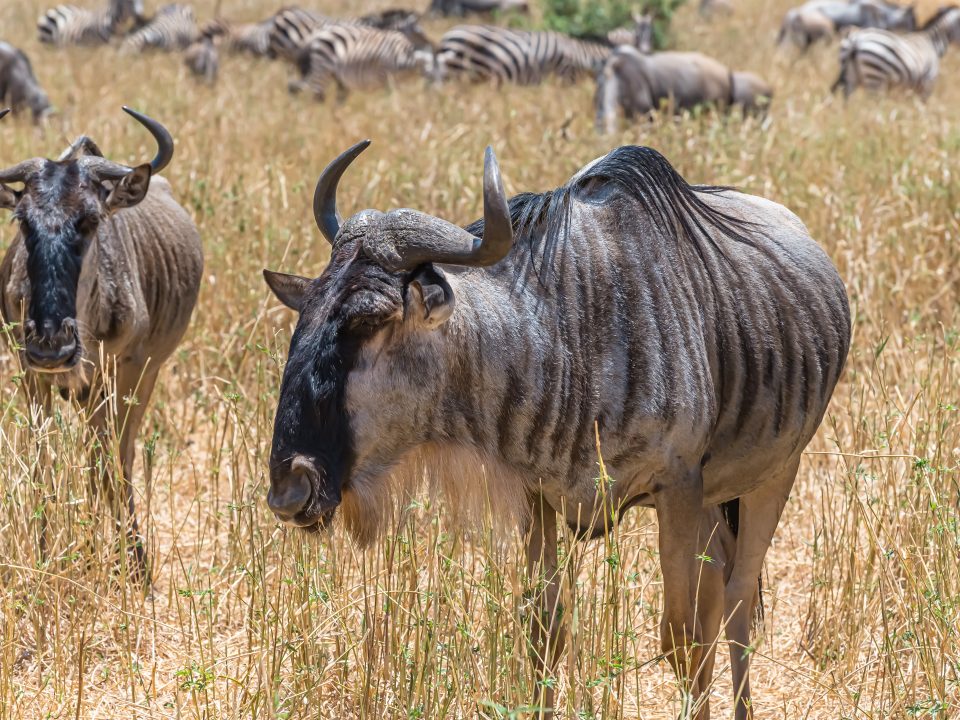
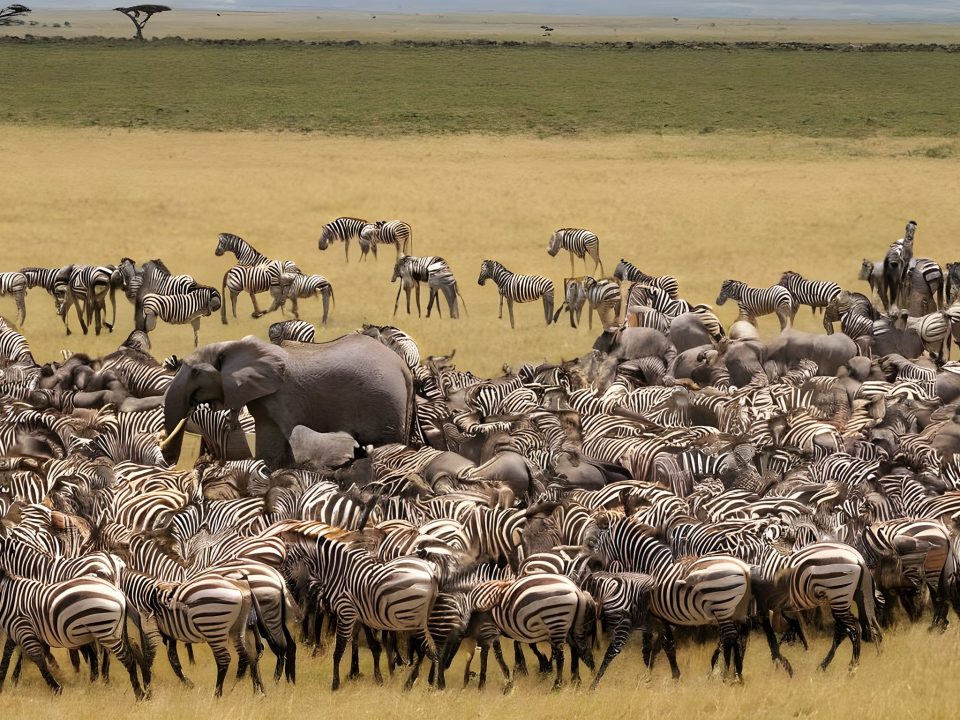
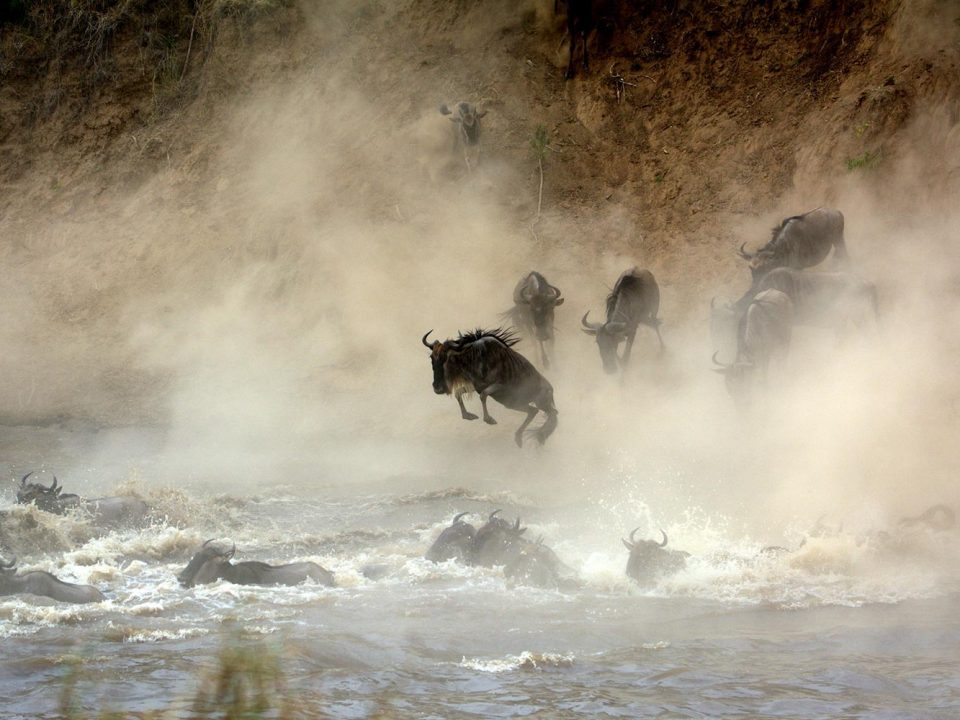
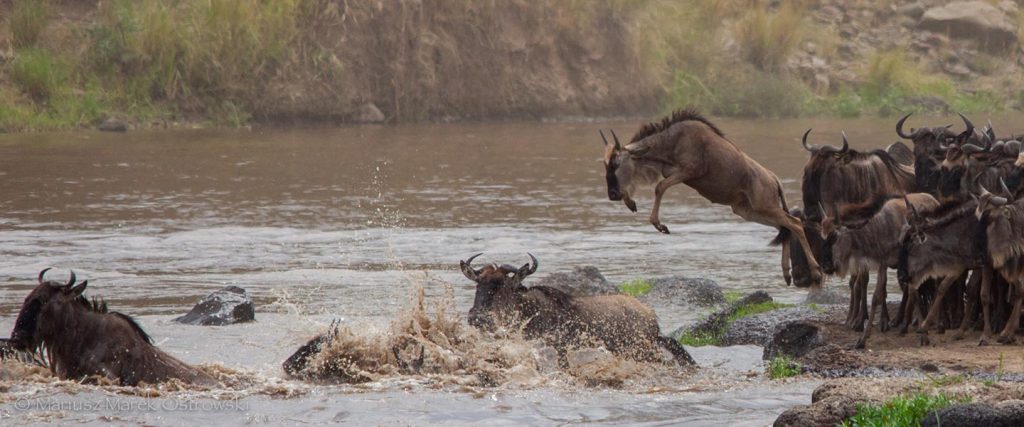
Masai Mara National Reserve is worldwide famous for its volume of its mammal life, culminating in the drama of the Great Wildebeest Migration. While the sight of two million hooves thundering across the plains naturally dominated the attention of visitors, this period typically between July and October is also one of the most exciting and then dynamic times for birdwatching. Far from being overwhelmed by the mammals, the arrival of the migratory herds acts as a massive ecological catalyst, dramatically changing the behavior and then density of the resident bird population. With over 500 recorded avian species, the Mara changes into a world-class avian theatre, particularly for those interested in the magnificent birds of prey and then opportunistic ground hunters.
1.The vulture catalyst: Nature’s clean-up crew in force.
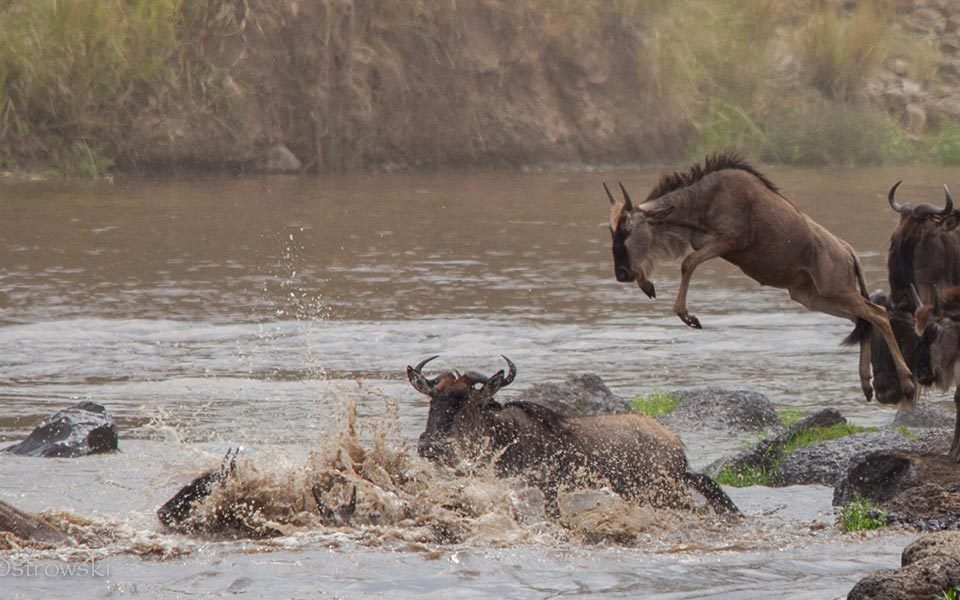
The most immediate and then spectacular impact of the migration on birdlife is the unprecedented concentration from predators and facing the peril of river crossings, lead to an inevitable number of the natural kills and deaths. This guaranteed, daily food supply brings huge numbers of the aerial scavengers from across the ecosystem. Seeing ten or fifteen large vultures circling above is common, during the migration, it is often dozens, sometimes hundreds, covering the sky.
This period is perhaps the best time in East Africa to easily distinguish between the various magnificent vulture species. You can observe the giant Lappet faced vulture, easily identifiable by its powerful beak and large size, alongside the more numerous White backed vulture and the graceful Ruppell’s Vulture which often soak at the breathtaking altitudes. These birds are not just a spectacle; they are nature’s essential recycling service. Seeing a ‘’vulture restaurant’’ that is a carcass surrounded by the various species squabbling for dominance, including Marabou Storks is a daily certainty during the crossing season, providing unparalleled photographic opportunities and demonstrating the challenging hierarchy of the avian scavengers.
2.Following the herds: Ground hunters and opportunists.
The size of the movement of millions of animals across the savanna creates a temporary ecological phenomenon: the continuous flushing out of smaller prey. As the vast columns of wildebeest and zebra churn through the grass they inadvertently expose everything hidden beneath the surface from small rodents and snakes to ground nesting birds and countless insects. This provides a golden opportunity for a unique group of the avian hunters who specialize in opportunistic feeding.
The elegant Secretary Bird, with its long legs and then crest feathers, often walks purposefully near the edge of the herds, hunting exposed snakes and large insects. Larger bustards, such as the magnificent Kori Bustard (the heaviest flying bird native to Africa) also patrol the periphery, capitalizing on the disturbed ground. Furthermore, the short grass plains are suddenly rich hunting grounds for the smaller, more agile birds of prey, such as various species of Kestrels and Falcons, which circle overhead, plunging down to catch rodents or grasshoppers that scatter from the paths of the marching herds. Even common species like the Yellow-billed Oxpecker benefit immensely as the migration provides an endless supply of mammal host to feast upon, ensuring the are seen in massive numbers grooming the backs of the zebras and buffalo.

3. The Riverine Drama: Waterbirds and Aquatic Predators.
When the migration reaches its peak drama at the Mara River, the focus for birdwatching safari swifts to the riverine habitat, which hosts a permanent and then equally fascinating set of the species that thrive on the aquatic environment and then crossing chaos.
The iconic African Fish Eagle, known for its distinctive cry is frequently seen perched on the towering fig trees along the riverbanks. While they majorly hunt fish, the commotion of the crossings means they are also keenly aware of the opportunities presented by the struggling or injured animals near the water’s edge. Similarly, the tall wading birds, like the striking Saddle billed Stork and then the common Yellow billed Stork, stalk the shallow pools, their white plumage contrasting sharply with the deep green of the riverine vegetation. Even the smaller, faster birds of the water, like the various species of Kingfishers (Pied, Malachite and Giant Kingfisher) are found in abundance, darting into the eater for the small fish or insects, often oblivious to the massive congregation of these water dependent species, providing a dense and then active birding safari experience.
4.Resident color Palette: Off Migration gems.
It is important to remember that Masai Mara is a world class birding safari destination year-round that is a home to the colourful variety of the resident species that do not rely on the migrating herds. These species continue their lives undisturbed by the great mammal movement, offering a vibrant contrast to the monochromatic drama of the herds.
No birding trip to the Masai Mara is complete without observing the dazzling Lilac-breasted Roller, arguably one of the Africa’s most beautiful birds, with its eight distinct colours. They perch prominently on the dead trees or bushes, providing perfect viewing opportunities. Other perennial highlights include the massive Common Ostrich, the flamboyant Hornbills (especially the Yellow-billed and then Grey hornbills) and then various Weaver Birds, whose intricately woven nests hang from the acacias. These birds maintain their territorial boundaries and then breeding cycles regardless of the wildebeest, offering a consistent burst of colour and then unique behaviors from the dancing courtship display of the Ostrich to the intricate nest building techniques of the Weavers that should not be overlooked amid the mammal frenzy.
5.Practical Birding strategy during the migration.
For visitors prioritizing birds during the migration season, a slightly different approach is necessary. While the focus is naturally on the river crossings, allocating early mornings to quiet grassland drives away from the busiest crossing points yields the best results from resident and ground-based species. Gear and Guides: A good pair of binoculars (8x or 10x magnification) is non-negotiable. More importantly, selecting a safari guide from Adyeri Travel Limited who possesses specific bird identification skills is crucial. A mammal focused guide might drive past a rare raptor or miss a localized endemic species. A specialized guide knows the specific niches the scrub for cisticolas, the rocky kopjes for owls, and the seasoned wetlands for migratory waders ensuring your bird list grows rapidly alongside your mammal sightings. The migration season offers a synergistic opportunity: unparalleled sightings of the scavengers and raptors due to the heard, combined with the permanent, colorful resident species that make a truly complete safari destination.